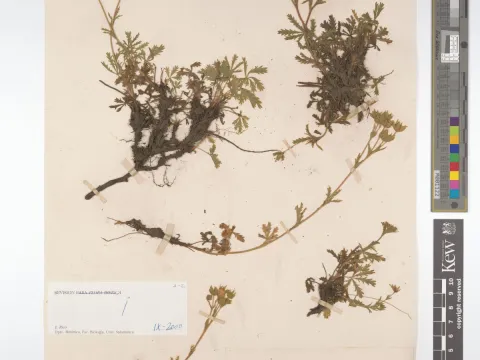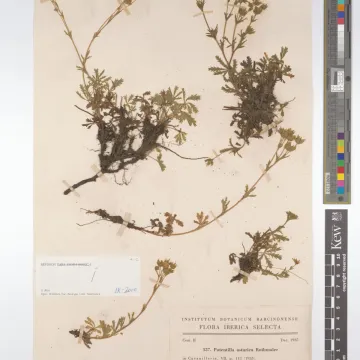
Asturian cinquefoil
Potentilla asturica
Description
Asturian cinquefoil (Potentilla asturica) is a perennial herbaceous plant belonging to the Rosaceae family. This species is particularly noted for its hardiness and its ability to thrive in the rugged, rocky terrain characteristic of its native mountain habitats, making it a distinctive specimen for specialized botanical collections.
The plant originates from the northern regions of the Iberian Peninsula, specifically the Asturias province. Its natural distribution is tied to alpine climates where the temperature remains moderate, and the environment is characterized by high air humidity and well-drained rocky slopes. These environmental constraints define the plant's growth pattern.
Botanically, it exhibits a compact rosette growth habit with leaves often covered in fine hairs to mitigate water loss. The flowers are typically yellow or pale, adhering to the standard pentamerous structure of the Potentilla genus, which allows them to efficiently attract pollinators in sparse mountainous environments.
Cultivation requirements for this species focus primarily on soil drainage and site exposure. It prefers a neutral to slightly acidic substrate that is poor in organic matter but high in mineral content. Ensuring that the crown of the plant stays dry during winter dormancy is crucial for preventing root rot and ensuring consistent growth year after year.
In terms of хозяйственного (utilitarian) use, it is primarily employed in landscape architecture, particularly in rock gardens or scree beds where low-growing, durable species are required. Typical pests include mites during hot, dry spells, while disease issues are generally minimal if drainage is adequate. Regular monitoring for fungal infections during high-humidity periods is recommended for optimal plant health.
Photo gallery