Chinese cinquefoil
Potentilla chinensis
Description
Chinese cinquefoil (lat. Potentilla chinensis) is a perennial herbaceous plant belonging to the Rosaceae family. Recognized as a significant medicinal crop, it is widely valued in traditional and modern herbal medicine for its high concentration of tannins, flavonoids, and other therapeutic secondary metabolites.
The plant originates from East Asia, with a natural range encompassing China, Japan, Korea, and parts of the Russian Far East. It is adapted to temperate climates, thriving in meadows and open slopes. Its ability to tolerate a wide range of soil temperatures makes it a robust candidate for cultivation in diverse agricultural environments within the temperate zone.
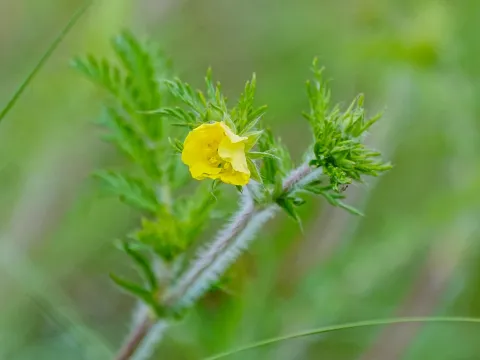
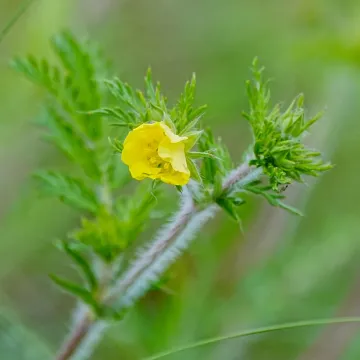
Botanically, the Chinese cinquefoil is characterized by stems reaching heights of 50 to 80 cm. The leaves are compound and pinnate, notable for the dense, white, woolly pubescence on the underside. The flowers, which appear during the summer months, are bright yellow and arrange themselves in elegant cymes. The root system is vigorous, enabling the plant to survive effectively in variable soil conditions.
Successful cultivation requires well-drained, fertile soil with a slightly acidic to neutral pH. Agronomic practices focus on maintaining optimal soil moisture during the active growth phase, as waterlogging can be detrimental to root development. Regular hoeing and weeding during the early stages of establishment are critical to prevent competition from invasive weed species.
The primary economic uses of the crop include:
- Harvesting the aerial parts for pharmaceutical raw materials.
- Extracting bio-compounds for the production of herbal supplements.
- Utilization as an ingredient in dermatological and anti-inflammatory formulations.
Disease management is essential, particularly regarding fungal pathogens like powdery mildew, which can develop in high-humidity conditions. Pest pressure, including aphids, is usually managed through good crop spacing and consistent field maintenance. Implementing a balanced fertilization plan helps improve the plant's overall vigor and resistance to common field diseases.
Photo gallery