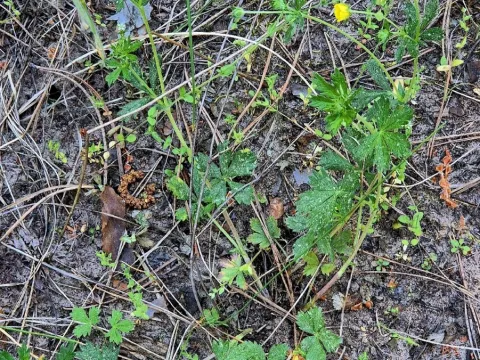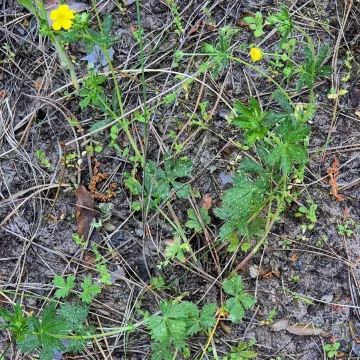
Potentilla collina
Potentilla collina
Description
Potentilla collina, commonly known as the hill cinquefoil, is a perennial herbaceous plant belonging to the Rosaceae family. This species is widespread across the temperate regions of Europe and Asia, often thriving in dry meadows, slopes, and rocky terrain where few other species can establish themselves.
Botanically, this plant is characterized by a sturdy rhizome and palmately compound leaves that are often densely hairy, an adaptation that minimizes water loss. The plant produces small, bright yellow flowers arranged in terminal corymbs, which typically bloom during the summer months and provide a source of nectar for local pollinators.
Regarding climate and soil requirements, this species is highly versatile. It prefers sunny, well-drained locations with rocky or calcareous soil compositions. In an agricultural context, it requires very little input, being naturally adapted to survive periods of drought and low soil fertility, which makes it a resilient crop for marginal lands.
The primary economic use of this plant revolves around its potential as a source of medicinal compounds. Its tissues contain a high concentration of tannins and flavonoids, which are traditionally valued for their astringent and anti-inflammatory properties. Furthermore, it serves as a ground cover plant in sustainable land management projects.
Disease and pest management typically involve preventing moisture-related issues, as root rot and powdery mildew can occur if the soil remains waterlogged. Common pests include aphids and leaf beetles, which can be managed through natural predators or organic pest control methods when cultivation is managed sustainably.
- High drought tolerance.
- Low maintenance agricultural requirements.
- Valuable biochemical profile for pharmaceutical use.
Photo gallery