Slender cinquefoil
Potentilla gracilis
Description
Slender cinquefoil (lat. Potentilla gracilis) is a herbaceous perennial plant belonging to the Rosaceae family. It is a robust and visually appealing species often chosen for its adaptability to various environmental conditions and its long-lasting, bright yellow blooms.
The native range of this species is primarily western North America. It thrives in diverse habitats including open meadows, forest edges, and mountain slopes. Because of this background, the plant exhibits significant hardiness, allowing it to survive both cold winters and periods of intense summer heat.
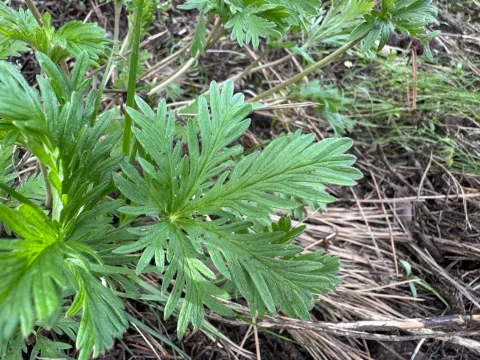
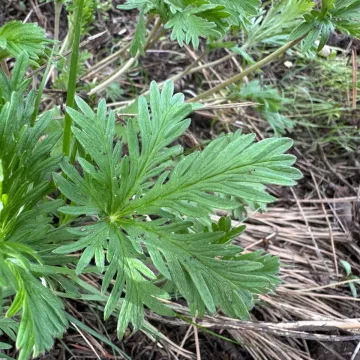
Botanically, the plant is characterized by erect stems that grow up to 60–80 cm in height. The foliage is palmately compound, often featuring soft hairs on the leaves, which give the plant a distinct texture and grayish-green color. During the summer, it produces showy, bright yellow flowers arranged in loose, open clusters.
The agronomic requirements for cultivating Potentilla gracilis include:
- Full sun exposure to promote dense flowering.
- Well-drained soil ranging from sandy loam to fertile clay.
- Regular irrigation during the establishment phase.
- Moderate maintenance including occasional pruning of faded flower stalks.
In terms of practical usage, this plant is a staple in ornamental horticulture and landscape design. It is frequently incorporated into prairie-style gardens, rock gardens, and perennial borders. Its nectar production also makes it a valuable asset for local pollinator populations, supporting biodiversity in gardens.
Common health issues include fungal diseases like powdery mildew, which can occur if airflow is poor or humidity levels are too high. Pests such as aphids or spider mites may occasionally affect the foliage. Effective management relies on proper site selection, spacing plants correctly to ensure circulation, and applying organic or chemical controls only when necessary.
Photo gallery