Long-leaved cinquefoil
Potentilla longifolia
Description
Long-leaved cinquefoil (Potentilla longifolia) is a perennial herbaceous plant belonging to the Rosaceae family. Known for its resilience and adaptability, this species is often found in diverse habitats, ranging from mountain slopes to open steppe regions, demonstrating remarkable tolerance to various environmental pressures.
The plant originates primarily from East Asia, with a significant presence in regions such as Mongolia, China, and Eastern Siberia. Its natural distribution across these territories highlights its ability to thrive in harsh, continental climates where temperatures can fluctuate dramatically between seasons.
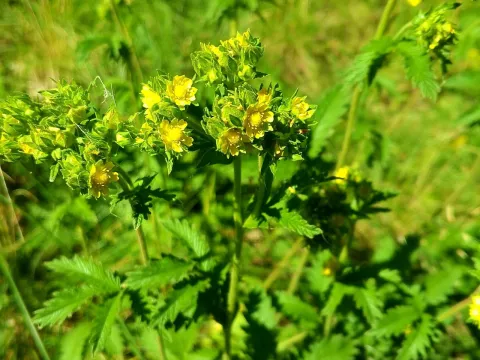
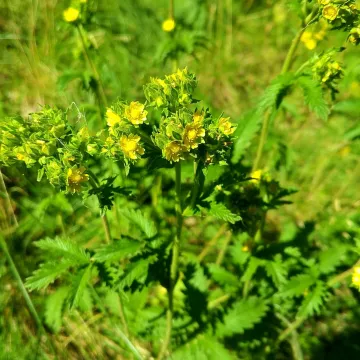
Botanically, this species is defined by its robust, often solitary stems and pinnate leaves characterized by their elongated segments and distinctive white-tomentose undersides. During the flowering stage, the plant produces attractive yellow flowers arranged in terminal corymbose inflorescences, adding to its ecological value.
Cultivation requirements are relatively straightforward, as the plant prefers well-drained, sunny locations with moderate soil moisture. It is particularly valued for its drought resistance. Essential agronomic practices include site preparation to eliminate competitive weeds and the use of stratified seeds to ensure optimal germination rates in the early spring.
The economic utility of long-leaved cinquefoil is primarily observed in the medicinal sector, where its biomass is harvested for its high content of tannins, flavonoids, and other therapeutic compounds. Additionally, its robust root system makes it an excellent candidate for erosion control and landscape restoration projects in degraded areas.
Management of the crop involves monitoring for common pathologies such as powdery mildew or rust, which may occur in high-humidity environments. Integrated pest management strategies should focus on identifying infestations of aphids or leaf beetles early to prevent yield loss. Regular soil testing helps maintain the necessary nutrient balance for healthy plant development.
Photo gallery