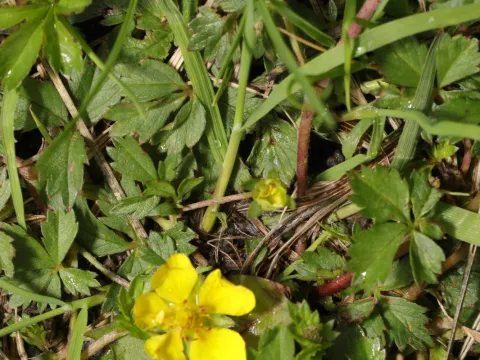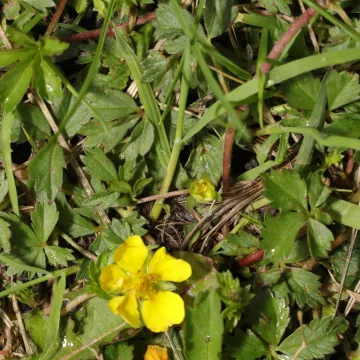

Mixed cinquefoil
Potentilla mixta
Description
Mixed cinquefoil (Potentilla mixta) is a herbaceous perennial plant belonging to the Rosaceae family. In an agricultural and botanical context, it is recognized as a hardy species capable of thriving in various habitats, which makes it a subject of interest for both specialized farming and soil restoration projects.
The plant originates from European regions, where it has adapted to temperate climatic conditions. Its natural distribution allows it to colonize diverse landscapes, from meadows to disturbed open grounds. This adaptability is highly valued in modern agronomy for the purposes of land stabilization and the promotion of biodiversity in agricultural areas.
Botanically, Potentilla mixta is characterized by a robust root system and a low-growing or ascending habit. The leaves are typically palmate, and the plant produces small, yellow, five-petaled flowers throughout the summer months. These morphological traits contribute to its persistence and ability to form dense ground cover in suitable environments.
Regarding agronomic requirements, the crop prefers well-drained soil and exposure to full sun or partial shade. It is not overly demanding in terms of soil fertility, although it performs best in neutral to slightly acidic substrates. Maintenance practices should focus on weed management during the establishment phase and ensuring appropriate moisture levels to support initial growth.
The practical applications of this crop include:
- Utilization as a source of tannins and active botanical ingredients in the pharmaceutical industry.
- Implementation in erosion control programs on slopes and hilly terrain.
- Support for local pollinators, as the species serves as a valuable nectar source.
- Integration into wildflower meadows for sustainable landscaping and environmental improvement.
Common plant health issues include fungal pathogens such as powdery mildew, which can appear during prolonged rainy or humid conditions. Pests such as beetles and larvae may occasionally affect vegetative parts. Effective management involves maintaining good air circulation within the canopy and following standard integrated pest management protocols to ensure high crop quality.
Photo gallery