Creeping cinquefoil
Potentilla reptans
Description
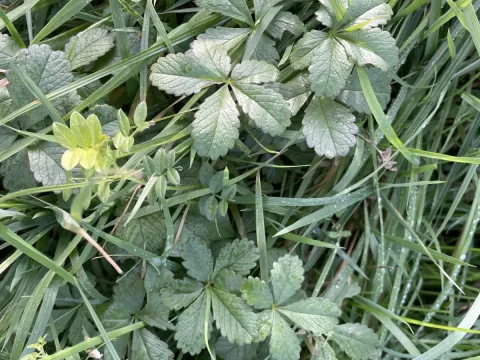
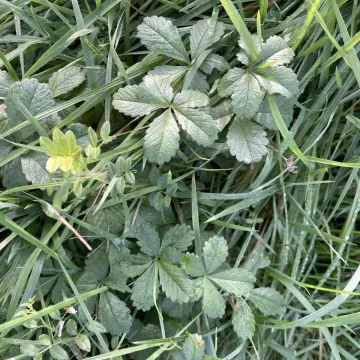
Creeping cinquefoil (Latin: Potentilla reptans) is a perennial herbaceous plant belonging to the rose family (Rosaceae). It is widely recognized for its prostrate stems that creep along the ground, rooting at the nodes, which facilitates its rapid colonization of various habitats and contributes to its resilience in diverse environments.
Originating from Eurasia, this species has spread across temperate regions worldwide. It is commonly found in meadows, along roadside verges, and on wasteland. While it is often considered a weed in agricultural landscapes, its presence indicates specific soil moisture levels and light conditions, making it an ecological indicator species for field managers.
The botanical structure of the plant is defined by its five-lobed leaves and solitary yellow flowers held on long peduncles. The root system is deep and fleshy, containing significant concentrations of tannins and other phytochemicals. This biological structure enables the plant to store energy and survive harsh environmental stresses, including grazing and periodic drought.
Regarding cultivation and habitat requirements, creeping cinquefoil thrives in moist, nitrogen-rich soils but shows remarkable adaptability to various soil types. In terms of agronomic management, it can be problematic in pastures as it competes with nutritious forage grasses. Control is primarily achieved through mechanical cultivation, as chemical methods may require high concentrations due to the plant’s deep-seated root architecture.
The plant has a long history of traditional use in herbal medicine due to its astringent and anti-inflammatory properties.
- Harvesting usually targets the roots and aerial parts for medicinal extracts.
- It is historically used to treat oral inflammation and diarrhea.
- The plant serves as a food source for some specific pollinators in its native range.
Pathological issues for this plant include various fungal infections, most notably powdery mildew and rust, which become prevalent in dense or shaded stands. Among pests, leaf-feeding insects such as beetles and aphid colonies are common. However, due to its vigorous vegetative growth, the plant typically maintains population stability despite these pressures.
Photo gallery