
Silvery cinquefoil
Potentilla speciosa
Description
Potentilla speciosa, commonly known as silvery cinquefoil, is a perennial herbaceous plant belonging to the Rosaceae family. This species is highly regarded in horticultural circles for its aesthetic appeal, particularly its foliage and delicate flowers, which make it a valuable asset for specialized garden designs.
Originating from the mountainous regions of the Balkans and Southeastern Europe, this plant has adapted to rugged, rocky terrains. Its native habitat consists of limestone cliffs and alpine meadows, which dictates its preference for well-drained, mineral-rich, or rocky substrates where competition from larger vegetation is limited.
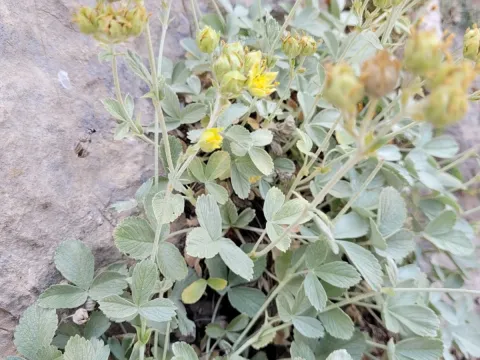
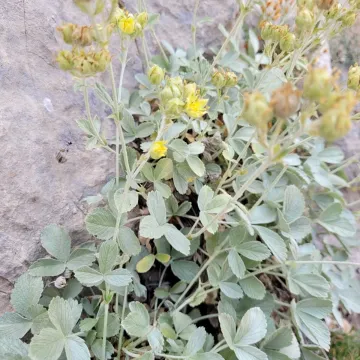
Botanically, the plant forms compact rosettes of silver-hued, pubescent leaves. This silvery foliage serves as a natural defense mechanism against intense sunlight and desiccation. The flowers, typical of the Potentilla genus, bloom on relatively short stems, providing a clean and tidy appearance suitable for rockeries.
Cultivation requirements for Potentilla speciosa focus on mimicking its natural environment. The soil must be exceptionally well-draining; moisture retention during the winter months is a common cause of plant failure. It thrives in full sun exposure and generally requires very little fertilization, as it is adapted to nutrient-poor soils.
In terms of agricultural and horticultural use, it is a staple for alpine gardening and xeriscaping. Common pests and diseases include powdery mildew, especially in humid or stagnant air conditions, and crown rot, which is often a result of overwatering. Regular maintenance involves ensuring proper air circulation and keeping the crown area free of excessive debris.
Photo gallery