
Poteridium annuum
Poteridium annuum
Description
Poteridium annuum is an annual herbaceous plant belonging to the Rosaceae family. Although it is not a staple global crop, it is recognized by agronomists for its specific biological traits and potential utility in localized farming systems as a cover crop or forage species.
Originating primarily from Mediterranean regions, the plant has adapted to diverse climatic conditions characterized by mild winters and dry, sunny growing seasons. Its natural distribution is linked to open landscapes where it competes for light and nutrients, showcasing a high degree of resilience in various ecological niches.
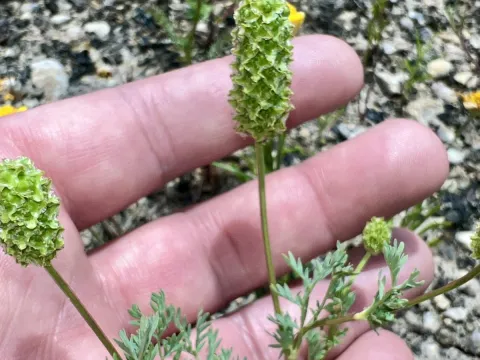
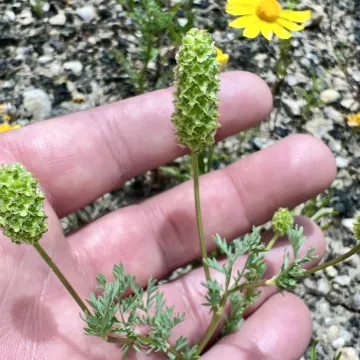
Botanically, Poteridium annuum is distinguished by its pinnate leaves and slender stem structure, which allows it to thrive in dense plant communities. The root architecture is efficient, supporting rapid growth cycles during the spring season. These physical features make it a model for studying early-season biomass accumulation in non-traditional crops.
Successful cultivation requires well-drained, fertile soil with a neutral to slightly alkaline pH. The plant performs best in environments with high light intensity and moderate water availability. Standard agronomic practices, such as minimal tillage and strategic sowing, are recommended to optimize stand density and prevent soil compaction during the growing phase.
The primary use of Poteridium annuum is currently limited to experimental forage production and soil amendment practices. To ensure a healthy harvest, farmers should monitor for typical threats:
- Fungal pathogens such as powdery mildew in humid climates.
- Infestations of leaf-eating beetles during early spring.
- Nutrient deficiencies that may occur in overly acidic soil conditions.
Photo gallery