Pothomorphe dombeyana
Pothomorphe dombeyana
Description
Pothomorphe dombeyana is a perennial herbaceous plant belonging to the Piperaceae family. Often studied alongside the genus Piper, this species is noted for its unique phytochemical profile, which has attracted significant interest from pharmaceutical researchers for its therapeutic potential.
The plant originates from the tropical regions of South America, primarily within the Andean cloud forests. Its natural habitat is characterized by high humidity, stable temperatures, and rich, nutrient-dense soil. In professional cultivation, the species is restricted to environments that closely mimic these native conditions.
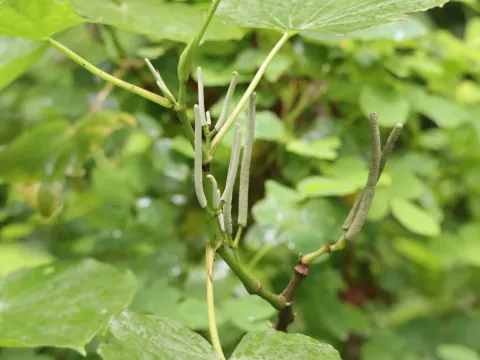
Botanically, the plant is recognized by its large, cordate leaves and characteristic spike-like inflorescences. The stem is succulent in nature, allowing the plant to maintain turgor pressure even when environmental conditions fluctuate. Its root system is fibrous and expansive, designed to anchor the plant effectively in forest-floor substrates.
Cultivation requires strict attention to environmental parameters. The plant thrives in semi-shaded conditions with high humidity and temperatures between 20°C and 28°C. The soil must be acidic to neutral, well-aerated, and rich in organic matter to support rapid leaf development and chemical accumulation.
The primary agricultural and economic uses include:
- Extraction of bioactive compounds for pharmacological use
- Traditional medical applications for skin health
- Research into antioxidant and anti-inflammatory properties
- Experimental use in organic pest-repellent formulations
Disease management is critical for this species, as it is susceptible to various fungal pathogens when airflow is insufficient. Pests such as aphids and mealybugs can also pose a threat in enclosed growing environments. Integrated pest management (IPM) practices, such as biological control and careful irrigation scheduling, are essential to maintain crop health.
Photo gallery