Pouteria campechiana
Pouteria campechiana
Description
Pouteria campechiana, widely recognized by the common names canistel, egg fruit, or yellow sapote, is a tropical fruit tree belonging to the Sapotaceae family. It is highly valued for its edible fruit, which features a texture and color remarkably similar to a cooked egg yolk, providing a unique sweet flavor.
The tree is native to southern Mexico and Central America, thriving in warm, tropical, and subtropical climates. Over time, its cultivation has expanded to regions such as the Caribbean, Brazil, and Southeast Asia, where it has become a staple in local home gardens and, increasingly, in specialized tropical orchards.
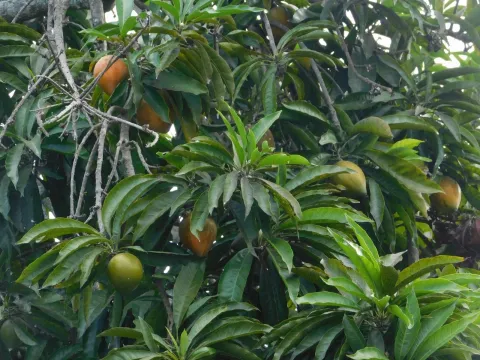
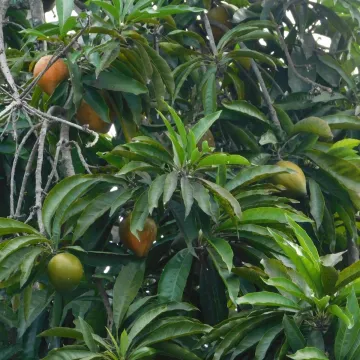
Botanically, Pouteria campechiana is an evergreen tree that can reach heights of 10 to 15 meters. It produces simple, glossy leaves and small, fragrant, pale-green flowers. The fruit itself is variable in shape, usually obovoid, with a smooth skin that turns a bright golden-yellow when ripe, protecting the dense, custard-like pulp inside.
Successful cultivation requires a warm environment with full sun exposure and fertile, well-draining soil. While the tree shows significant resistance to temporary drought conditions once established, adequate irrigation is essential during the flowering and fruit-set stages. Cold sensitivity is a major factor; therefore, commercial production is restricted to frost-free regions.
The culinary applications of canistel are diverse; it is consumed fresh, blended into smoothies, or used as a base for puddings, pies, and various desserts. The fruit is rich in vitamins and carbohydrates. Growers must remain vigilant regarding pests such as fruit flies and mealybugs, as well as fungal diseases like anthracnose, which can compromise both the foliage and the quality of the harvest.
Photo gallery