Pouteria macrophylla
Pouteria macrophylla
Description
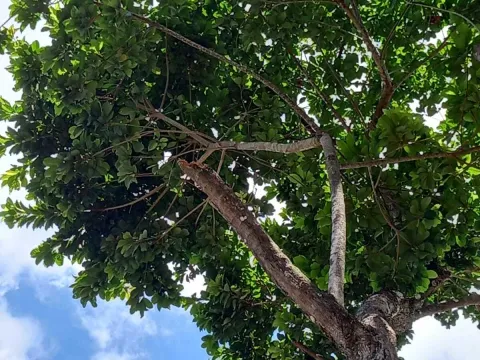
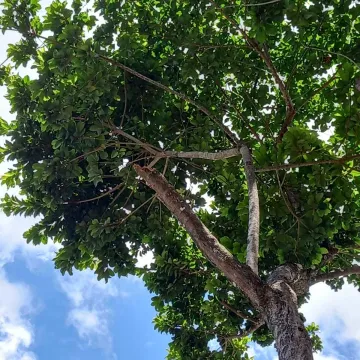
Pouteria macrophylla is a significant species within the Sapotaceae family, known for its dense canopy and fruit-bearing potential. This evergreen tree is a prominent member of the tropical rainforest ecosystems in South America. The species is characterized by its large, leathery leaves, from which its specific epithet macrophylla is derived, reflecting its unique adaptation to tropical moisture and light conditions.
Native to the Amazon basin, the plant thrives in hot and humid environments. It is strictly a tropical species, requiring consistent temperatures throughout the year to maintain its physiological functions. While it is not widely grown on a commercial global scale compared to other tropical fruits, it holds significant cultural and nutritional value in its native range, where it is often managed in traditional agroforestry systems.
The botanical structure of the tree involves a robust trunk and a deep, extensive root system. Flowering usually occurs during the wetter months, leading to the development of fleshy, edible berries. These fruits contain seeds that are essential for reproduction, and the pulp is consumed by various local fauna, which plays a role in the dispersal and survival of the species in its natural habitat.
Agricultural requirements for Pouteria macrophylla include deep, fertile, and well-draining soils. The tree benefits from a mulching regime that mimics the forest floor, helping to retain soil moisture and provide gradual nutrient release. Pruning is typically performed to maintain tree health and ensure that light reaches the inner branches, which promotes better fruit production and reduces the risk of fungal outbreaks in dense foliage.
Regarding pest management, the species is susceptible to various scale insects and mealybugs, which can weaken the tree if left unchecked. Preventive care includes regular inspection of the leaf undersides and the application of horticultural oils if necessary. Beyond fruit production, the timber is sometimes utilized for local construction purposes due to its density, and the plant serves an important role in preserving ecological stability in managed tropical landscapes.
Photo gallery