Pouteria reticulata
Pouteria reticulata
Description
Pouteria reticulata is a perennial woody plant species belonging to the Sapotaceae family. As a typical representative of tropical flora, this plant functions as an evergreen tree or large shrub, exhibiting significant ecological adaptation to forest environments where high humidity and constant heat are consistent factors.
The origin of Pouteria reticulata is rooted in the tropical landscapes of Central and South America. Its natural range is characterized by ecosystems that maintain a year-round growing season. In agricultural settings, it is primarily cultivated in tropical regions where climate conditions allow for the specific developmental cycles required by species within the Pouteria genus.
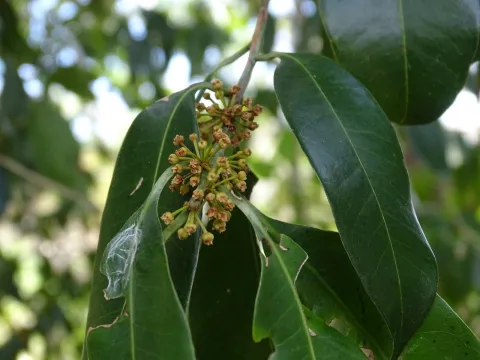
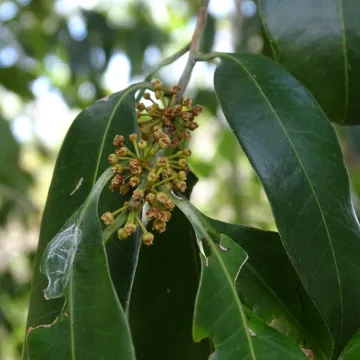
From a botanical perspective, the plant is distinguished by its leathery, reticulate-veined leaves, which provide structural resilience. The flowers, while often inconspicuous, are essential for the production of fleshy fruits. These fruits serve as the primary reproductive unit and are structurally consistent with the characteristics of other Sapotaceae fruits, containing seeds that require specific conditions for germination.
Successful cultivation of Pouteria reticulata requires precise management of soil and environmental parameters. The plant thrives in fertile, well-draining soils with a mildly acidic profile. Farmers must ensure regular irrigation schedules, particularly during periods of low precipitation, as the root system is highly sensitive to desiccation and fluctuations in soil moisture levels.
The economic value of this crop is mainly localized, focusing on the utilization of fruits for food consumption. Agricultural maintenance often involves preventive measures against common pests like mealybugs and scale insects. Furthermore, growers must implement integrated pest management to mitigate risks associated with fungal pathogens that thrive in the humid environments where this plant is commonly grown.
Photo gallery