Prairie Gentian
Eustoma russellianum (Hook.) G. Don
Description
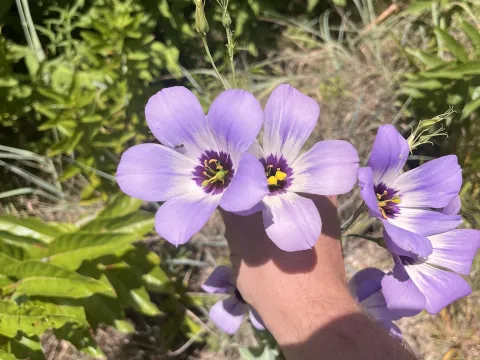
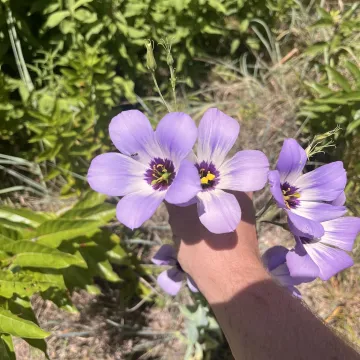
The Prairie Gentian (Eustoma russellianum), widely recognized by its botanical name and synonymous with the lisianthus, is a distinguished plant belonging to the Gentianaceae family. Known for its exquisite, rose-like flowers, this plant has transitioned from wild prairie vegetation to a premier commercial crop favored by professional florists and agricultural growers across the globe.
The origin of the Prairie Gentian lies in the warm regions of the southern United States and northern Mexico. Traditionally, the plant adapted to the open, sunny habitats of the North American prairies. Today, its cultivation has expanded worldwide, specifically in specialized greenhouses where growers can precisely control the environment to meet the specific physiological needs of this high-value floral commodity.
Botanically, the plant is characterized by its glaucous, waxy-coated foliage and upright, strong stems that can support heavy, bell-shaped blooms. The variety of colors is vast, including shades of blue, violet, white, pink, and unique bicolors. The plant's root system is delicate, requiring well-structured soil to prevent suffocation or fungal colonization, which is common in suboptimal drainage conditions.
Successful production requires rigorous attention to agricultural practices. The crop demands a soil pH between 6.5 and 7.0, along with a balanced substrate that promotes rapid root development. Climate control is critical; while it prefers warm days and cooler nights, excessive heat can lead to early bolting and reduced flower quality. Precise watering schedules are essential to maintain turgor pressure in the stems.
Common horticultural challenges and management:
- Management of fungal pathogens such as Fusarium and Pythium through sterile growing media.
- Application of integrated pest management to control aphids, thrips, and whiteflies.
- Use of supplemental LED lighting during low-light winter months to increase yield.
- Regulation of humidity levels to prevent the onset of Botrytis (gray mold) on petals.
- Systematic fertilization programs focusing on calcium and potassium for stem strength.
Photo gallery