Pratia perpusilla
Pratia perpusilla
Description
Pratia perpusilla, commonly referred to as swamp pratia, is a creeping perennial plant belonging to the Campanulaceae family. It is a highly valued groundcover known for its delicate appearance and ability to spread effectively across moist surfaces, creating a lush, dense carpet effect in garden landscapes.
Native to the temperate regions of New Zealand and Australia, this plant thrives in wetlands, damp meadows, and along the edges of stream banks. In agricultural and horticultural contexts, it has gained international recognition for its unique ability to tolerate foot traffic while maintaining a refined, decorative texture throughout the growing season.
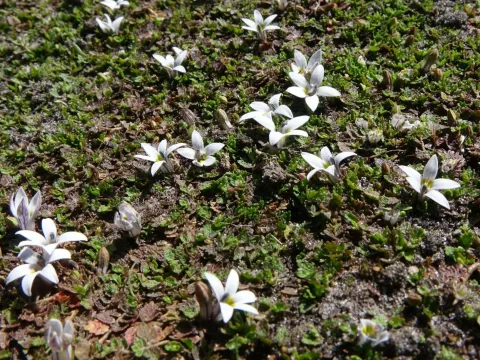
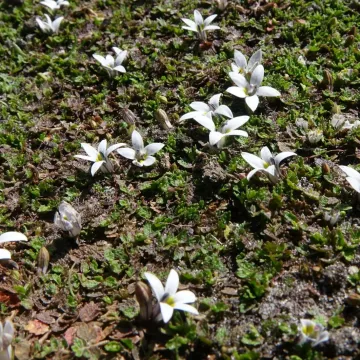
Botanically, the species is characterized by its prostrate habit, where thin stems anchor themselves into the soil at each node. Its leaves are small and lanceolate to ovate, providing a deep green color contrast to the star-shaped flowers. These flowers usually emerge during the warmer months, covering the foliage in a carpet of white or soft lavender hues.
Cultivation requires specific environmental conditions, primarily focusing on moisture retention and soil quality. The ideal substrate is rich in organic matter, slightly acidic, and consistently damp. While it can tolerate full sun in cool climates, it performs best in partial shade, where the risk of drying out is significantly lower.
In terms of usage, it is a staple in rock gardens, between paving stones, and as a border plant for water features. Maintenance is generally low, provided the water requirements are met. Pests such as snails and slugs are the primary concern, as they find the tender foliage highly palatable. Disease management centers on avoiding stagnant water conditions to prevent root rot and fungal proliferation.
Photo gallery