Prenanthes trifoliolata
Prenanthes trifoliolata
Description
Prenanthes trifoliolata, commonly known as the tall rattlesnake root, is a perennial herbaceous plant belonging to the Asteraceae family. In agricultural terms, this species is recognized for its unique secondary metabolites and its ability to thrive in specific ecological niches that mimic its native woodland habitats.
Originating from North America, the plant is primarily distributed across temperate regions with high moisture levels. Its cultivation range is currently focused on niche farming, where it is grown for specialized botanical production. The plant is well-adapted to cooler climates and benefits from the sheltered microclimates found in forested edges or semi-shaded agricultural plots.
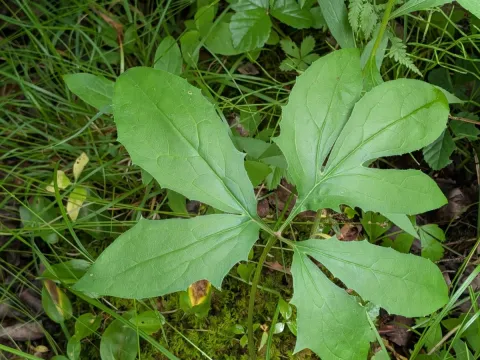
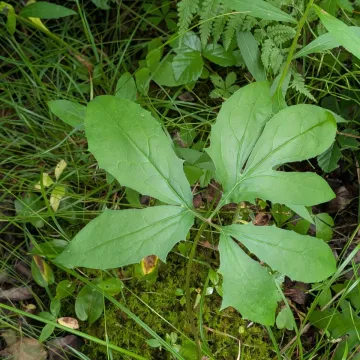
Botanically, Prenanthes trifoliolata is characterized by its trifoliate leaves and drooping, bell-shaped flower heads that bloom in late summer. It can reach considerable heights, often growing up to 1.5 meters under optimal conditions. The robust root system is the primary part harvested, as it contains the majority of the compounds required for its pharmaceutical applications.
The agronomic requirements for this crop include well-draining, nutrient-rich soils that retain moisture without becoming waterlogged. Cultivation techniques require careful management of soil acidity, as the plant prefers slightly acidic to neutral substrates. Regular maintenance includes weed control during the seedling stage and careful spacing to ensure adequate airflow, which prevents the development of fungal pathogens.
Economic utility of the crop is centered around its medicinal properties, often utilized in traditional and supplementary herbal medicine. Regarding plant health, producers must be vigilant against common agricultural threats such as aphids and powdery mildew. Implementing a rigorous Integrated Pest Management (IPM) strategy is essential to ensure high yields and maintain the quality of the raw botanical material produced.
Photo gallery