Proboscidea arenaria
Proboscidea arenaria
Description
Proboscidea arenaria, commonly known as a member of the devil's claw family, is a distinct plant belonging to the Martyniaceae family. It is an annual herbaceous crop recognized for its unique seed pods that develop long, hooked appendages designed for seed dispersal by attaching to animal fur in the wild.
The native habitat of this species is centered in the arid southwestern regions of North America and parts of Mexico. Over time, the plant has evolved specialized physiological mechanisms to thrive in desert environments, including highly developed root systems that allow it to extract moisture from sandy, nutrient-poor soil where other crops might fail.
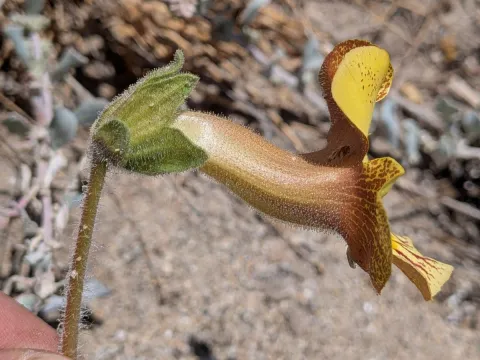
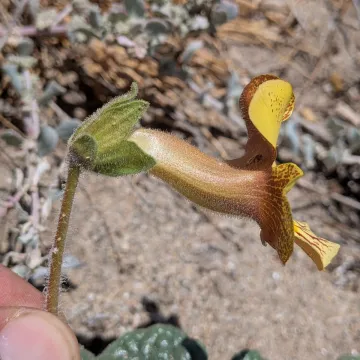
Botanically, the plant is characterized by large, sticky, heart-shaped leaves and glandular hairs that secrete a distinctive, somewhat musky-scented resin. The plant produces trumpet-shaped flowers that bloom in clusters, offering significant aesthetic appeal alongside its agricultural utility. The growth habit is typically spreading, covering a considerable area per plant.
In terms of agricultural management, Proboscidea arenaria requires full sun exposure and excellent drainage. It is highly intolerant of waterlogged conditions, which can lead to rapid crown rot and fungal infections. Cultivation typically involves direct seeding once soil temperatures have consistently warmed up, as the plant remains dormant or suffers in cold, wet spring soil.
The economic value of this crop is primarily found in the culinary use of its immature pods, which are harvested while still tender and fleshy. These are often pickled or cooked in similar ways to okra or green beans. Beyond its food value, the plant is studied for its ability to produce oil-rich seeds and its potential use in low-input farming systems within arid climates.
- Exceptional drought resistance and adaptation to sandy soils.
- High sensitivity to over-irrigation and soil compaction.
- Vulnerability to common garden pests like aphids and spider mites.
- Requires warm, stable temperatures for optimal germination and pod development.
Photo gallery