
Prosopis calden
Prosopis calden
Description
Prosopis calden is a tree species belonging to the Fabaceae family, specifically the Mimosoideae subfamily. It is widely recognized for its ecological importance as a key component of the caldenal forests in central Argentina, where it thrives in semi-arid environments that would be inhospitable to many other woody plants.
The native habitat of this species is restricted to the pampas regions of Argentina. It is a quintessential xerophyte, evolved to survive in regions with sparse rainfall and high evapotranspiration rates. Its evolutionary success is largely attributed to its profound root system and metabolic efficiency, which allow it to maintain growth during intense heatwaves.
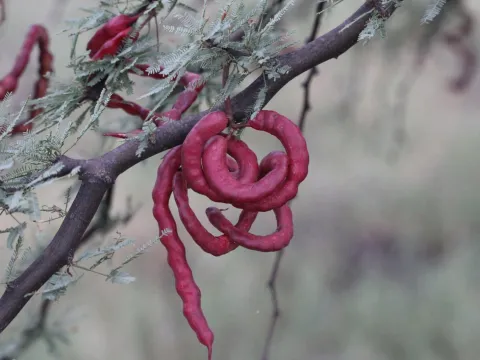
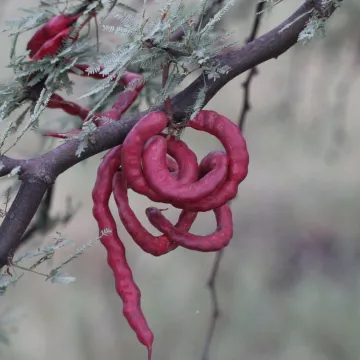
Botanically, Prosopis calden is characterized by its feathery, bipinnate leaves and a canopy that provides moderate shade. The plant often features thorns that act as a deterrent to herbivores. The reproduction cycle includes the formation of pods containing protein-rich seeds, which are naturally dispersed by animals that consume them, contributing to the expansion of the population.
Regarding cultivation requirements, the species is not demanding in terms of soil fertility, growing well in sandy or loamy soils. However, successful establishment requires proper spacing and initial protection from livestock. The primary management challenge is avoiding over-irrigation, as the roots are highly susceptible to pathogens in waterlogged soils.
Economically, Prosopis calden is highly valued for its dense, durable wood, which is utilized for premium furniture and flooring due to its resistance and aesthetic grain. Additionally, the tree serves as a vital forage source in arid zones, as its pods provide a nutrient-dense supplement for livestock, proving it to be a sustainable agroforestry option.
- Extreme drought resistance and hardiness.
- Ability to fix nitrogen, enhancing soil quality.
- Production of highly durable and decorative timber.
- High nutritional value of pods for livestock forage.
- Low maintenance requirements once established.
Typical health issues for the species include infestations by wood-boring beetles and occasional fungal infections, particularly if the plant is grown in areas with poor drainage. Agronomists recommend maintaining strict sanitation protocols, such as removing damaged branches and ensuring proper soil aeration to prevent the onset of root-related diseases.
Photo gallery