Protium copal
Protium copal
Description
Protium copal is a prominent tropical tree species belonging to the Burseraceae family. It is globally recognized for its significant role in producing high-quality aromatic resin, commonly referred to as "copal." The tree has long been integral to the ecosystems and cultural practices of its native regions in the Americas.
The natural range of this species extends across the tropical landscapes of Mexico and Central America. It thrives in lowland rainforests where the climate is characterized by consistent warmth and substantial annual rainfall. These environmental conditions are crucial for maintaining the metabolic processes that allow the tree to produce its characteristic resinous compounds.
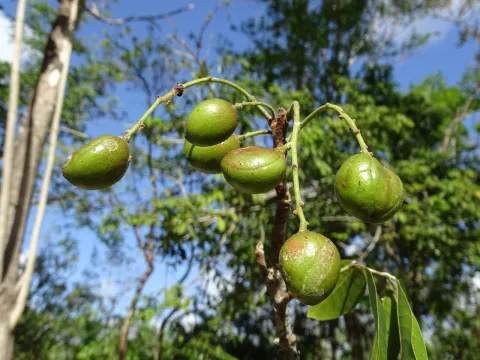
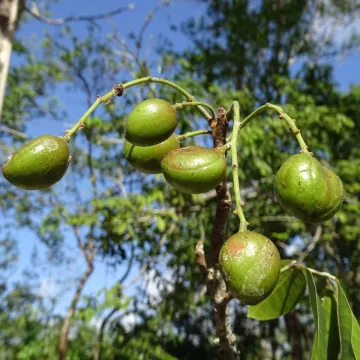
From a botanical perspective, Protium copal is distinguished by its evergreen foliage and a complex structure of resin canals within its bark. The tree generally exhibits moderate growth rates and requires a well-structured canopy to maximize photosynthetic efficiency. Its reproductive cycle involves small clusters of flowers, which eventually yield drupe-like fruits that serve as a food source for local fauna.
Cultivation of Protium copal requires deep, nutrient-rich soils with good drainage properties to prevent root rot. Agronomic management involves careful selection of planting sites and protection against excessive competition from invasive plant species during the early growth phases. Sustainable resin extraction practices are essential to ensure the long-term productivity and vitality of the tree populations.
The economic value of this tree is primarily derived from its resin, which finds applications in artistic, medicinal, and commercial sectors, including the production of specialized coatings. Furthermore, the wood of the tree is harvested for local utility, valued for its durability and resistance to environmental stress. Continued research into the silviculture of this tree aims to balance economic output with sustainable environmental management.
- Susceptibility to fungal pathogens during humid conditions.
- Potential damage from wood-boring insects.
- Requirement for balanced soil moisture to optimize resin yield.
Photo gallery