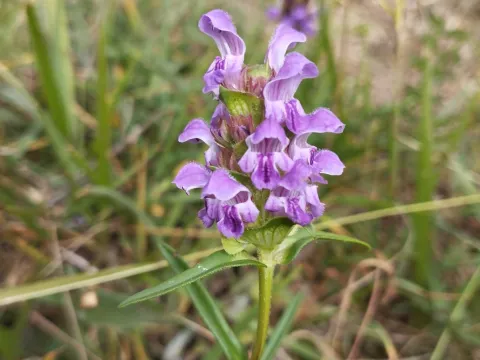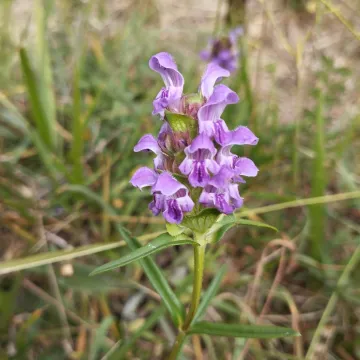
Hyssop-leaved selfheal
Prunella hyssopifolia
Description
Hyssop-leaved selfheal (Prunella hyssopifolia) is a herbaceous perennial plant belonging to the Lamiaceae family. It is distinct from other species in the Prunella genus due to its narrow, linear leaves, which provide a refined texture suitable for both decorative gardening and specialized botanical collections.
The plant originates from Southwestern Europe, primarily inhabiting the limestone-rich terrains of the Mediterranean and Pyrenean regions. Its natural range is characterized by rocky soils and open, high-light environments, which dictates its preference for well-drained, alkaline growing media in cultivation settings.
Botanically, the plant is characterized by its compact habit and inflorescences that appear as spikes of small, tubular flowers ranging from deep violet to soft pink or white. The root system is sturdy and perennial, allowing the plant to return consistently year after year once it is established in a suitable microclimate.
Agricultural requirements center on providing a sunny location with excellent drainage. Prunella hyssopifolia is notably drought-tolerant once established but requires careful monitoring of soil moisture levels during the first growing season. It thrives in soils that mimic its native rocky environment, avoiding heavy, water-logged clays that can lead to crown rot.
Its primary agricultural and economic uses include:
- Landscaping in rock gardens and sustainable xeriscapes.
- Support for biodiversity by acting as a strong melliferous plant for local pollinators.
- Ethnobotanical utility, as plants in the Prunella genus are traditionally studied for their anti-inflammatory properties.
Pest and disease management involves monitoring for fungal pathogens such as powdery mildew, which can occur during periods of high humidity or poor air circulation. Root rot is the most common ailment caused by excessive soil moisture, necessitating the use of raised beds or porous soil amendments in areas with high rainfall.
Photo gallery