
African cherry
Prunus africana
Description
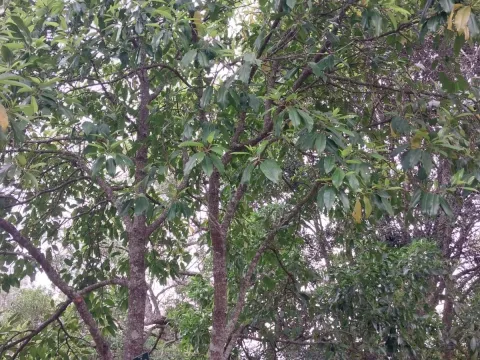
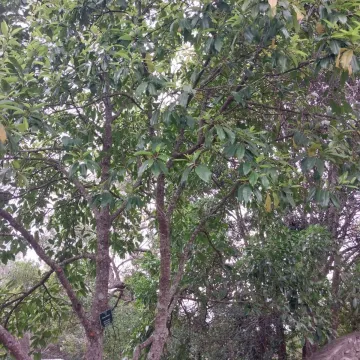
African cherry (Prunus africana) is a prominent evergreen tree belonging to the Rosaceae family. Known for its tall stature and dense canopy, this species is highly valued for its bark, which has become a significant resource in the global pharmaceutical market due to its unique chemical profile.
The native range of Prunus africana spans the mountainous regions of sub-Saharan Africa, including the Afromontane forests of countries such as Kenya, Cameroon, and Ethiopia. It naturally thrives at high altitudes, typically ranging between 900 and 3,000 meters above sea level, where it enjoys consistent moisture and cool temperatures.
Botanically, the tree is characterized by its glossy, lanceolate leaves and white, racemose flowers. Its fruit, a dark-colored drupe, is an essential source of food for various wildlife species. The tree's bark is dark and fissured, representing the primary part of the plant that is harvested for medical purposes.
Agricultural success depends on providing deep, well-drained soils with good organic content. African cherry requires a climate with high humidity and is sensitive to extreme frost or prolonged drought. In plantation settings, young saplings need shade, often requiring intercropping with other trees until they are sufficiently established.
The economic value of this crop is primarily driven by the production of extracts from its bark, commonly referred to as Pygeum. These extracts are effectively used in the treatment of benign prostatic hyperplasia (BPH) and other urinary tract conditions. Sustainable harvesting practices are essential to protect this species, as it is classified as a threatened plant in its natural wild habitats.
- Family: Rosaceae
- Growth habit: Tall evergreen tree
- Key product: Bark extract (Pygeum)
- Climate preference: Afromontane tropical
- Conservation status: Managed cultivation
Photo gallery