Capollin cherry
Prunus capollin
Description
The Capollin cherry (lat. Prunus capollin) is a fruit-bearing tree species belonging to the Rosaceae family. Native to the highlands of Mexico and Central America, this plant has been valued for centuries by local populations for its edible berries and its adaptability to mountainous environments, positioning it as a distinct botanical subject in global fruit science.
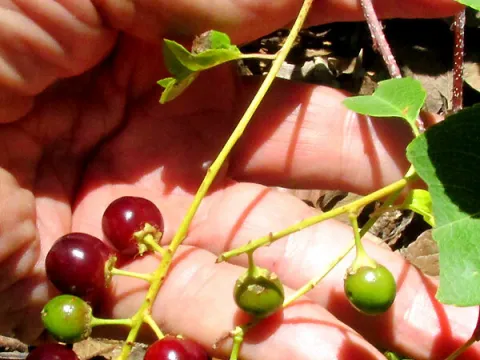
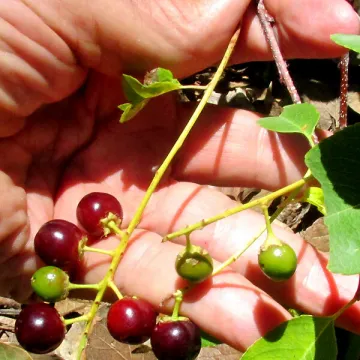
Botanically, it is an evergreen or semi-deciduous tree that can reach heights of up to 10–12 meters. Its foliage is lanceolate with serrated margins, and the plant produces beautiful, dense racemes of small white flowers during the blooming season. The fruit structure is reminiscent of a cross between a standard cherry and a bird cherry, growing in clusters that are highly productive when the tree is properly managed.
Cultivation of Prunus capollin requires a specific climate profile: it thrives in mild, high-altitude conditions where temperatures remain relatively stable throughout the year. The soil must be rich in organic matter and possess excellent drainage capabilities. It is sensitive to waterlogging and prefers sunny locations that provide the energy necessary for the maturation of its sweet, slightly astringent fruits.
Good agricultural practices for this crop involve periodic pruning to manage canopy density, which facilitates better light penetration and air circulation. Soil fertility should be maintained through the application of organic fertilizers. While the tree is robust, proper irrigation is essential during the dry season to prevent fruit drop and maintain healthy vegetative growth.
The economic utility of the tree is diverse, ranging from its culinary applications to its use in traditional medicine. The fruits are commonly processed into jams, syrups, and fermented beverages. Furthermore, the species is frequently utilized in landscaping due to its decorative appeal, providing an aesthetically pleasing addition to orchards and home gardens alike.
Management of pests and diseases is a critical component of successful production. The tree is susceptible to fungal issues such as Monilinia and various leaf-spot pathogens if the environment becomes too humid. Integrated pest management strategies, focusing on early detection of aphids and leaf-eating insects, are recommended to maintain plant health and secure a high-quality harvest.
Photo gallery