Damson plum
Prunus damascena
Description
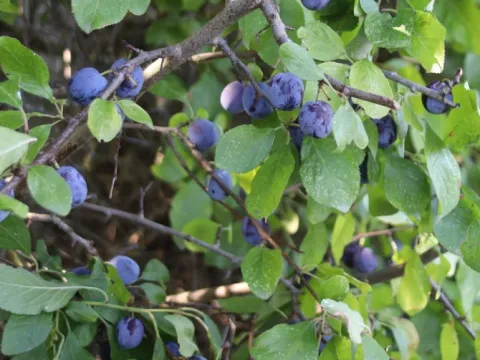
The Damson plum (Prunus damascena) is a significant agricultural crop belonging to the Rosaceae family. It is widely recognized for its robust nature and distinctively tart, flavorful fruits, which have been a staple in traditional orchards for centuries.
Originating from the areas surrounding Damascus, this plum variety has historical significance across Europe and the Middle East. It thrives in temperate climate zones, demonstrating resilience and adaptability to various environmental conditions, provided there is adequate sunlight and protection from harsh weather.
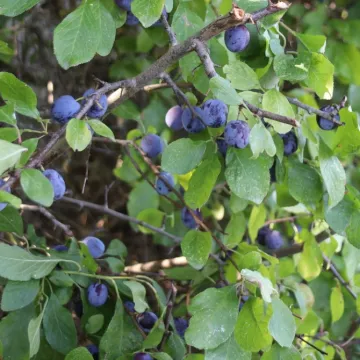
Botanically, the tree is characterized by its spreading canopy, dark green foliage, and small to medium-sized oval fruits. The fruit typically features a deep blue or purple skin with a waxy bloom and firm, yellow-green flesh, making it ideal for culinary processing rather than just raw consumption.
Successful cultivation requires deep, well-drained loamy soils and full sun exposure. Proper orchard management involves regular pruning to ensure air circulation within the canopy, balanced fertilization schedules to support fruit development, and irrigation during critical growth stages to maintain yield stability.
The culinary applications of the Damson plum are extensive, primarily focusing on preserves, jams, and jellies due to their high pectin content. Additionally, they are used in the production of liqueurs and various baked goods, making them highly valued by both small-scale growers and commercial producers.
- Shot hole disease (Clasterosporium carpophilum)
- Brown rot (Monilinia spp.)
- Plum fruit moth (Grapholita funebrana)
- Aphids (Aphidoidea)
- Plum rust
Photo gallery