Fenzl cherry
Prunus fenzliana
Description
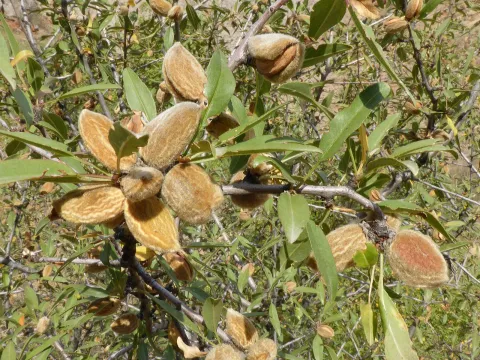
Fenzl cherry (Latin Prunus fenzliana) is a wild shrubby species belonging to the Rosaceae family. It is widely recognized in agricultural research for its robust genetic profile, which provides essential traits for the development and improvement of domesticated cherry varieties.
The natural range of this species covers the highlands of the Caucasus, Turkey, and parts of Iran. It thrives in diverse landscapes, typically occupying rocky mountain slopes, woodland edges, and exposed sunny areas, which has shaped its exceptional adaptability to variable climatic conditions.
Botanically, Prunus fenzliana grows as a deciduous shrub or small tree, often characterized by thorny branches and small, hardy leaves. It produces modest, tart fruits that serve as a source of food for local wildlife, while its overall morphology is adapted to survive in environments with poor soil fertility and fluctuating moisture levels.
In terms of agricultural management, this species demands well-drained soil and full sun exposure to maintain vigor. Its most significant application in modern agriculture is as a specialized rootstock for stone fruits, as it confers excellent tolerance to drought and cold, helping cultivated cherries withstand harsh environmental stressors.
While the species is hardy, it can still be affected by common stone fruit diseases such as leaf spot or monilinia, as well as various sap-sucking insects. However, its natural resilience makes it a subject of interest for integrated pest management and breeding programs aiming to reduce reliance on chemical inputs.
Photo gallery