Oklahoma plum
Prunus gracilis
Description
The Oklahoma plum (Latin: Prunus gracilis) is a perennial deciduous shrub belonging to the Rosaceae family. Unlike many standard plum species, this plant is characterized by its distinctively shrubby habit, rarely exceeding 2 meters in height. Its manageable size makes it an interesting candidate for home gardening and niche agricultural projects focusing on native species.
The species is native to the central and southern regions of the United States. It is typically found in dry, rocky outcrops, prairies, and open woodlands. This geographical and ecological background indicates that the plant is highly adapted to poor soil conditions and fluctuating moisture levels, which contributes to its reputation as a hardy species in challenging environments.
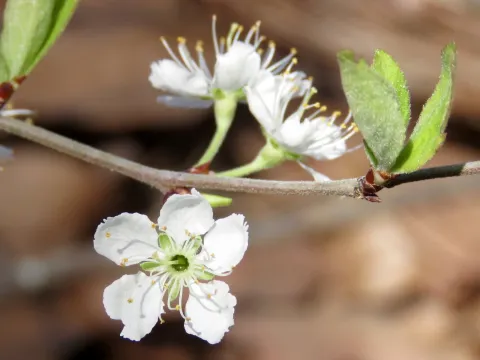
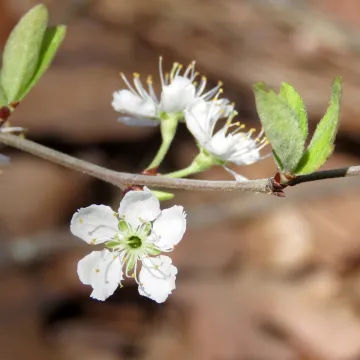
Botanically, Prunus gracilis features small, ovate leaves and early spring blossoms that cover the shrub in a dense layer of white flowers. The fruits are generally small, rounded, and possess a tart flavor profile that is highly prized in regional culinary traditions for the preparation of jellies, jams, and preserves.
Agricultural success with this crop relies on planting it in well-drained soils with full sun exposure. It is drought-tolerant once established, requiring minimal intervention compared to traditional commercial plum varieties. However, regular pruning is necessary to maintain vigor and fruit quality, as older wood tends to become less productive over time.
Economic use is primarily localized, given its unique taste and wild origin. Besides fruit production, the plant serves as an excellent hedge or ornamental shrub in landscape design. Growers should monitor for common stone fruit pests and pathogens, such as aphids or plum curculio, and ensure adequate airflow to prevent fungal issues such as brown rot.
Photo gallery