Jacquemont cherry
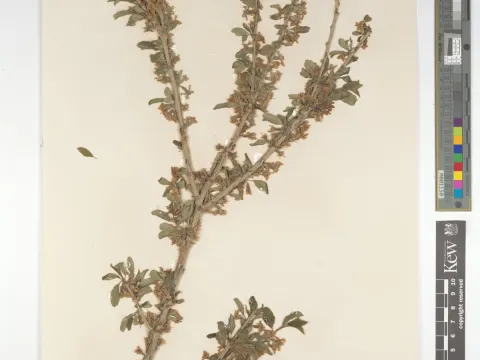
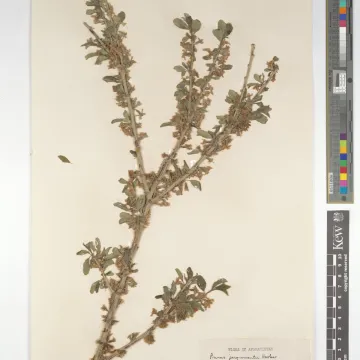
Prunus jacquemontii
Description
The Jacquemont cherry (Prunus jacquemontii) is a deciduous shrub belonging to the Rosaceae family. As a member of the subgenus Cerasus, it is highly valued by gardeners and botanists alike for its significant ornamental qualities and its biological plasticity, making it an excellent candidate for landscape design and specialized breeding programs.
The species originates from the mountainous regions of Central Asia, including the Himalayan slopes, Afghanistan, and Pakistan. It has evolved in harsh, high-altitude environments characterized by rocky soils and significant temperature fluctuations. This natural adaptation makes the plant remarkably resilient and suitable for cultivation in various temperate climate zones.
Botanically, Prunus jacquemontii develops into a dense shrub typically reaching heights of 2 to 3 meters. It features slender branches with distinctive glossy leaves. Its most striking botanical feature is its prolific, early spring flowering, during which the shrub is completely covered in pale pink or white blossoms, creating a spectacular visual impact in the landscape.
Regarding cultivation, the Jacquemont cherry requires well-drained soil, as it is particularly sensitive to waterlogging, which can lead to root system decay. It thrives best in sunny, sheltered locations protected from severe winds. Standard horticultural practices involve regular pruning to maintain the shrub's shape, balanced fertilization during the growing season, and judicious watering during dry periods.
The economic and practical applications of this species include:
- Utilization as an ornamental shrub in private gardens and public parks.
- Serving as a genetic resource in breeding programs for cold hardiness.
- Formation of dense, attractive hedges due to its branching habit.
- Production of small, edible fruits suitable for specialized processing.
Like many stone fruits, the plant is susceptible to common fungal diseases such as coccomycosis and brown rot (monilinia). Common pests affecting this species include aphids and leafrollers. To maintain plant health, it is essential to implement an integrated pest management strategy, including timely application of fungicides and insecticides, alongside rigorous sanitation practices.
Photo gallery