Korean cherry
Prunus japonica
Description
The Korean cherry, scientifically referred to as Prunus japonica, is a deciduous shrub that belongs to the Rosaceae family. Unlike many other species within the Prunus genus, this plant is primarily recognized for its shrubby growth habit, making it an excellent candidate for both ornamental landscaping and small-scale fruit production.
Originating from Eastern Asia, including China, Japan, and the Korean Peninsula, this species is well-adapted to temperate climates. Its natural habitat includes scrublands and forested edges, which informs its preference for well-draining soils and adequate light exposure when cultivated in residential or agricultural settings.
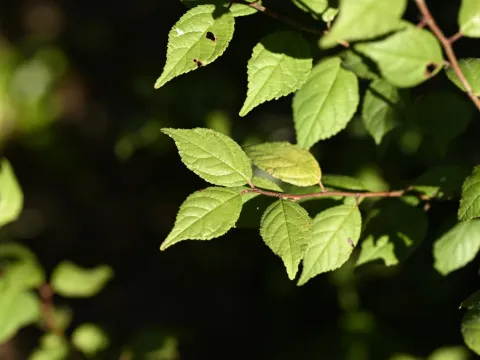
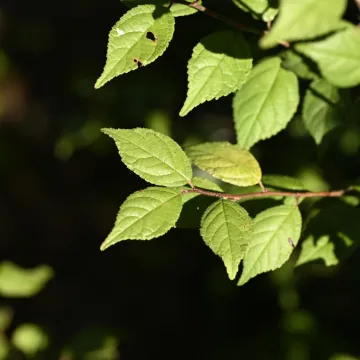
Botanically, Prunus japonica is characterized by its slender, arching branches and serrated leaves. The plant typically reaches a height of 1 to 2 meters. Its blossoms, appearing in the spring, are visually striking, typically ranging from white to pale pink, which eventually develop into small, round drupes that are bright red when mature.
Effective cultivation requires a location with full sun and protection from strong, drying winds. The soil should be slightly acidic to neutral and must provide excellent drainage to prevent root rot. Standard agricultural practices involve routine pruning to remove dead or overcrowded wood, which promotes better air circulation and sunlight penetration throughout the canopy.
The economic and practical utility of the Korean cherry includes several key areas:
- Landscape design and urban beautification due to its aesthetic bloom.
- Fruit production for domestic culinary applications, such as preserves and juices.
- Utilization as a hardy rootstock for grafting more sensitive stone fruit varieties.
- Supporting local biodiversity by providing early nectar sources for pollinators.
The plant is susceptible to common stone fruit diseases such as brown rot and leaf spot, particularly in humid conditions. Integrated pest management, including the use of dormant sprays and regular monitoring for aphids and borers, is essential to maintain plant health and ensure annual fruit sets throughout the growing season.
Photo gallery