Mongolian cherry
Prunus mongolica
Description
Mongolian cherry (Prunus mongolica) is a perennial deciduous shrub belonging to the Rosaceae family. Known for its remarkable resilience, this species has evolved in harsh continental environments, making it a distinct relative to standard stone fruit trees, prioritized for its ability to thrive where other species fail.
The plant originates from the arid regions of Mongolia and Northern China. Its natural habitat includes rocky slopes and high-altitude deserts. Because of these origins, the species possesses a robust root system and a specialized physiology that allows it to maximize growth during short, intense growing seasons while remaining dormant during extreme droughts.
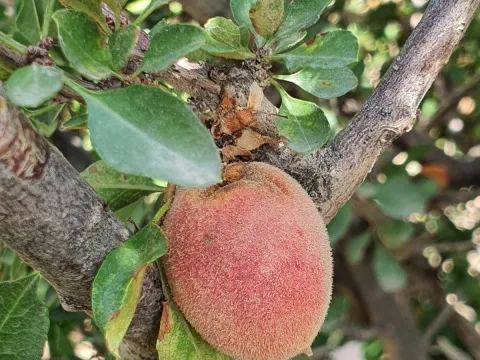
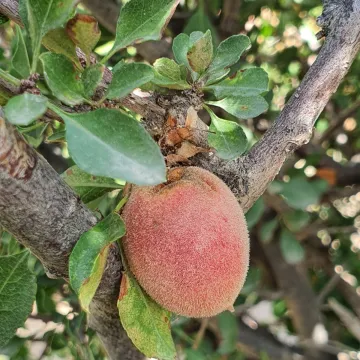
Botanically, the plant is characterized by its compact, thorny habit, typically reaching heights between 1 to 2 meters. The leaves are small, leathery, and drought-resistant, designed to minimize water loss. Its early spring flowers are notably beautiful, providing a critical source of nectar in early season conditions, followed by the development of small, hardy drupe fruits.
Agricultural requirements for Prunus mongolica emphasize full sun exposure and excellent drainage. It thrives in gravelly or sandy soils that are poor in nutrients but high in air permeability. Irrigation should be minimal, as the plant is highly susceptible to root rot if standing water persists. Simple annual pruning helps manage the thorny growth and encourages more vigorous berry production.
The primary uses for this culture include limited fruit production for jams and jellies, as well as landscape gardening for xeriscaping.
- Serves as a natural windbreak in dry areas.
- Utilized for soil erosion control on steep slopes.
- Valued for early ornamental spring blossoms.
Photo gallery