Mountain cherry
Prunus monticola
Description
Mountain cherry (Prunus monticola) is a distinct species belonging to the Rosaceae family. Unlike commercial cherry varieties, this plant is recognized for its adaptation to rugged, high-altitude environments, making it a subject of interest for both botanical research and niche pomology.
Originating from the mountainous regions of the Korean Peninsula, this species has evolved to thrive in rocky soils and challenging climates. Its natural habitat is defined by clear air and well-drained slopes, which dictates its specific physiological requirements when grown in an agricultural or domestic garden setting.
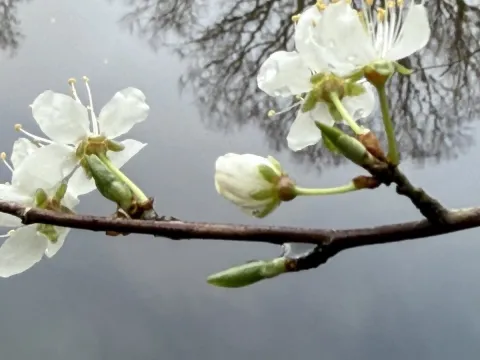
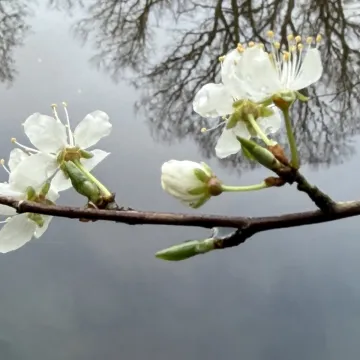
Botanically, Prunus monticola is characterized by its hardy woody structure, serrated leaves, and springtime flowers that range from white to soft pink. The fruit is a small, firm drupe that contains essential nutrients. The species is highly valued for its genetic diversity, which is often studied for its potential in breeding hardier commercial fruit varieties.
Cultivation requirements for this species focus on site selection and soil structure. It thrives best in sandy or gravelly loam with excellent drainage to prevent root rot. While the plant is drought-tolerant once established, it benefits from moderate irrigation during the fruit-set phase. Minimal pruning is required, primarily to maintain a healthy structure and allow adequate light penetration.
Economic and practical applications include:
- Processing fruits into artisanal preserves, jams, and fermented beverages.
- Using the plant as a hardy ornamental in landscape design and rock gardens.
- Serving as a genetic resource for crossing with commercial cherries to enhance resistance.
Plant health management is critical, as this species is susceptible to standard stone fruit diseases such as brown rot and leaf spot. Effective management includes canopy airflow management, consistent pruning of infected tissues, and the application of protective sprays during the bloom period to mitigate fungal pressure from environmental humidity.
Photo gallery