Canada plum
Prunus nigra
Description
Canada plum (lat. Prunus nigra) is a member of the Rosaceae family, renowned for its exceptional cold hardiness. It typically grows as a small deciduous tree or a large shrub, reaching heights of up to 6–8 meters. Due to its robustness, this species is frequently used as a rootstock for other plum varieties and serves as a vital genetic resource for breeding programs focused on cold-climate fruit production.
The native range of Prunus nigra is North America, particularly southern Canada and the northern United States. It thrives in temperate regions, demonstrating high tolerance for harsh winters and fluctuating spring temperatures. In cultivation, it prefers locations with full sun exposure and well-drained, fertile soil, though it can tolerate a variety of soil types, including slightly moist conditions.
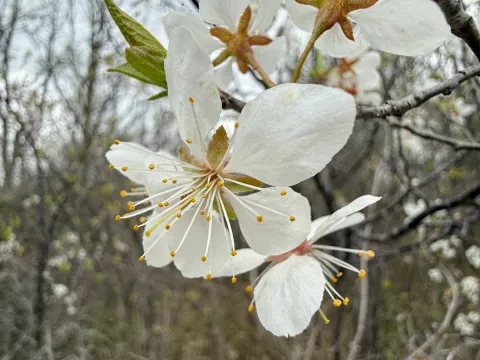
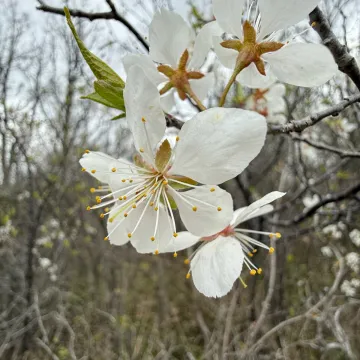
Botanically, the tree is characterized by its dark, deeply furrowed bark, which provides a distinct contrast in a landscape. Its leaves are ovate-oblong with serrated edges, turning vibrant colors in autumn. The tree produces clusters of white flowers that bloom in early spring, often before the foliage emerges. The fruit is typically round to oval, ripening to a deep red or nearly black color, featuring a flavorful, juicy interior.
Agricultural management of the Canada plum involves consistent maintenance to ensure optimal fruit yield. Pruning is essential for maintaining an open canopy structure, which improves air circulation and sunlight penetration. Fertilization should be balanced to support both vegetative growth and fruit set. Proper water management, especially during dry spells, helps maintain tree health and enhances fruit size and quality.
- Superior cold tolerance, surviving extreme sub-zero temperatures.
- High vigor and strong root system development.
- Versatility in culinary uses (jams, jellies, and fresh consumption).
- Valuable host plant for beneficial pollinating insects.
- Natural disease resistance compared to hybrid cultivars.
Common pests associated with Prunus nigra include aphids, plum curculio, and scale insects. Integrated pest management (IPM) practices, including the use of dormant oil sprays and pheromone traps, are recommended to control pest populations. Regular monitoring for fungal infections like black knot or brown rot is crucial, especially in humid conditions, to ensure the long-term productivity and vitality of the orchard.
Photo gallery