
Nippon cherry
Prunus nipponica
Description
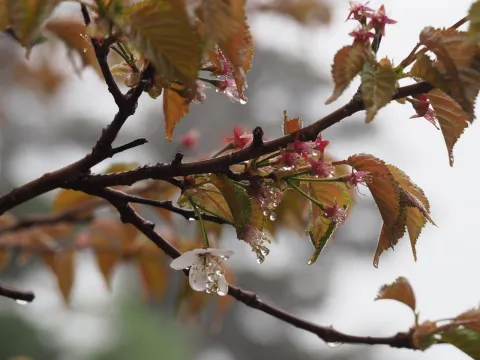
The Nippon cherry (lat. Prunus nipponica) is a perennial deciduous plant belonging to the Rosaceae family. Within botanical classification, this species is closely related to the subgenus Cerasus, being a prominent ornamental shrub native to high-altitude regions, characterized by its unique flowering patterns and compact growth form.
The plant is endemic to the mountainous areas of Japan, particularly the islands of Honshu and Shikoku. Its natural habitat is defined by temperate climates and high moisture levels, which has enabled the species to develop strong resilience against freezing temperatures, making it a robust candidate for cultivation in various northern regions.
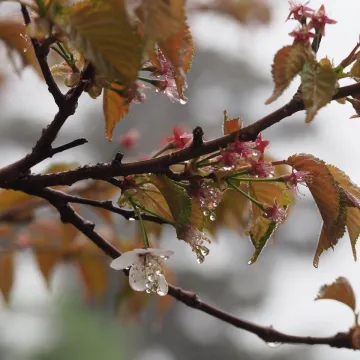
Botanically, it appears as a medium-sized shrub or a small tree, typically ranging from 2 to 5 meters in height. The leaves are oval-shaped with an acuminate tip, while the spring blooming phase produces a dense display of white to soft pink flowers, providing significant aesthetic value for landscape architectural projects.
Agricultural requirements include planting in well-drained, slightly acidic to neutral soils with ample exposure to sunlight. Proper care involves systematic pruning to maintain the plant's shape and vitality, as well as cautious irrigation management. The species is generally hardy, though it requires well-aerated ground to prevent root rot during dormant seasons.
Economically, the Nippon cherry is primarily valued for its ornamental role in parks, botanical gardens, and private landscaping. While the fruit is edible, its tart flavor profile makes it less common for commercial mass consumption. Instead, the plant is frequently studied for its genetic potential in hybridization and as a hardy rootstock for other Prunus species.
- High cold tolerance and winter hardiness.
- Exceptional visual appeal during the flowering season.
- Naturally resistant to many common Prunus pathogens.
- Requires monitoring for pests like aphids and fruit-boring insects.
Photo gallery