Himalayan cherry
Prunus rufa
Description
Himalayan cherry (Prunus rufa) is a distinctive species belonging to the Rosaceae family. It is widely recognized for its striking, peeling bark that exhibits a rich reddish-brown hue, serving as a primary ornamental feature throughout the dormant winter months.
Native to the high-altitude regions of the Himalayas, this species has adapted to survive in mountainous terrain. Due to its natural habitat, it has gained popularity in various temperate regions globally, where it is cultivated primarily as a small ornamental tree in parks and private gardens.
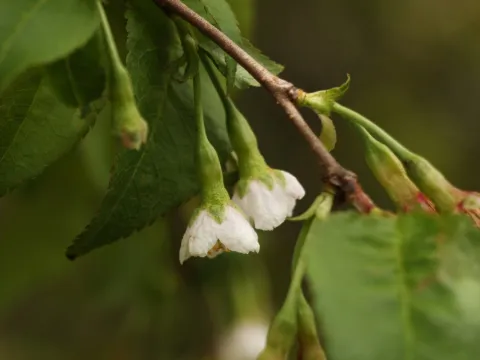
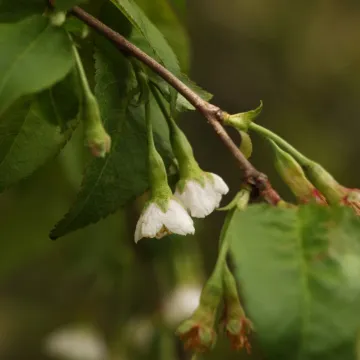
Botanically, the tree is characterized by its serrated, ovate leaves and early spring flowering. The blossoms, typically pale pink or white, emerge before the foliage. The tree produces small, edible fruits that are appreciated by local wildlife, adding to the ecological value of the plant in a landscape setting.
Cultivation requirements involve selecting a location with well-draining, fertile soil and ample sunlight. While it is hardy, the tree performs best when protected from extreme cold winds. Standard agro-technical practices include regular mulching, consistent irrigation during dry spells, and formative pruning to maintain the crown structure.
Its primary use is ornamental; it is often featured as a specimen tree to highlight its bark texture. Disease management is essential, as the tree may be prone to common stone fruit issues such as aphid infestations or fungal leaf spot. Proper sanitation and monitoring help keep the specimen healthy.
Photo gallery