Klamath plum
Prunus subcordata
Description
Klamath plum (Prunus subcordata), also known as the Oregon plum, is a deciduous shrub or small tree belonging to the Rosaceae family. Native to the mountainous regions of California and Southern Oregon, this hardy species has adapted to diverse climatic conditions. It is highly valued for its ability to thrive in poor soils and its significant role in the local ecosystem as a source of food for wildlife.
The botanical structure of the plant consists of multiple trunks, typically reaching heights between 2 and 8 meters. The leaves are ovate to subcordate in shape, with serrated margins. In early spring, the plant produces clusters of white or pinkish-white flowers, which bloom profusely before the foliage fully develops, providing an early source of nectar for pollinators in its native habitat.
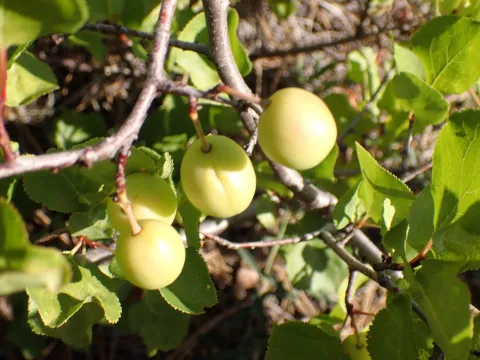
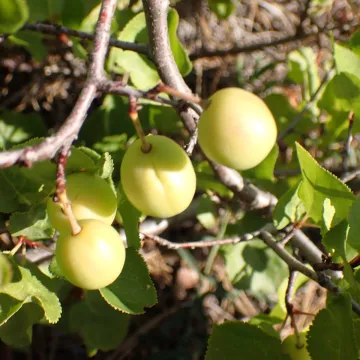
The fruit of the Klamath plum is a drupe, which is generally small, round to oval, and varies in color from bright yellow to deep red or purplish-black. The flavor profile is known for its tartness, often making it more suitable for cooking, preserving, or jelly-making rather than fresh consumption. The flesh is firm and adheres to the stone, a common trait in this wild plum variety.
Regarding cultivation, this species thrives in well-drained soils and requires full sun to partial shade for optimal growth. It is notably drought-tolerant once established but benefits from occasional deep watering during the fruit-set period. Standard agricultural practices include pruning to maintain plant shape, removing dead wood, and ensuring adequate air circulation within the canopy to mitigate moisture-related issues.
- Requires well-drained loamy or rocky soil.
- High resistance to cold and temperate fluctuations.
- Susceptible to aphids and stone fruit moth larvae.
- Prone to fungal diseases if kept in stagnant, humid environments.
Economic and household usage focuses on processed products like artisanal jams and syrups, which balance the inherent tartness of the fruit. In agricultural research, Prunus subcordata is often studied for its genetic resistance to certain soil-borne pathogens, potentially serving as a rootstock. Effective orchard management involves monitoring for common pests and applying timely organic or chemical treatments to ensure a stable harvest.
Photo gallery