Psephellus dealbatus
Psephellus dealbatus
Description
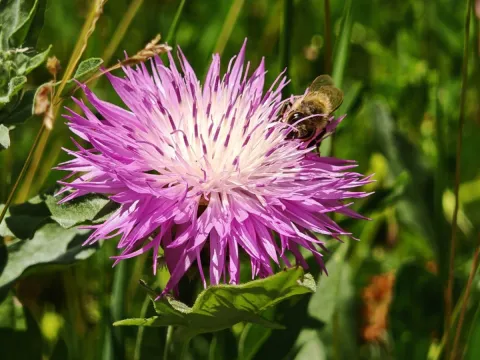
Psephellus dealbatus, commonly known as the Persian cornflower or whitewashed knapweed, is a perennial herbaceous plant belonging to the Asteraceae family. Renowned for its distinctive foliage and striking pink-to-purple flowers, this species has become a valuable asset in ornamental horticulture and gardening due to its robust nature and aesthetic appeal.
The plant originates from the mountain slopes of the Caucasus region and parts of Turkey and Iran. This mountainous origin explains its remarkable adaptation to various soil types and its ability to thrive in regions with cold winters and relatively dry summers. It is now widely cultivated in gardens across temperate climates, serving as a reliable perennial that returns year after year.
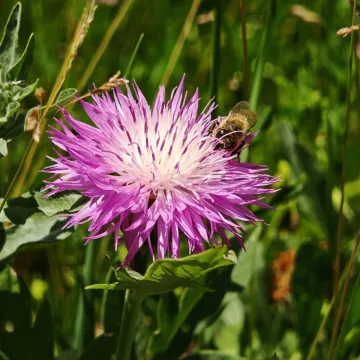
Botanically, the plant is distinguished by its pinnately lobed leaves, which feature a dense, silvery-white tomentum on the underside, providing a beautiful contrast against the green upper surface. The flower heads are large, typically solitary, and possess an attractive, feathery appearance. The plant typically reaches heights of up to 80 cm, making it a suitable choice for the middle or back of a flower border.
Optimal growing conditions require full sun exposure and well-draining soil. While the plant can tolerate poor soil quality, it does not perform well in waterlogged conditions, which can lead to root rot. Cultural practices involve basic maintenance: soil loosening to improve aeration, occasional weeding during the early stages of establishment, and minimal irrigation once the plant has developed a deep, mature root system.
- Exceptional cold hardiness and winter tolerance.
- Low maintenance requirements once established.
- Distinctive silvery foliage adding texture to landscapes.
- High resilience against common drought conditions.
While generally resistant to most pests, Psephellus dealbatus can be susceptible to fungal diseases like powdery mildew if planted in areas with poor air circulation or excessive moisture. Pest control is rarely needed, though aphids may occasionally appear during the peak spring growth. Proper spacing and selection of well-ventilated planting sites are the best preventive measures to ensure the health and longevity of the plant.
Photo gallery