Pseudabutilon virgatum
Pseudabutilon virgatum
Description
Pseudabutilon virgatum is an herbaceous plant species belonging to the Malvaceae family. Recognized for its structural properties, this crop serves as a specialized source of plant fibers, drawing significant interest from researchers focused on sustainable agricultural alternatives to traditional fiber crops.
The species is native to the tropical and subtropical regions of South America. Its cultivation is primarily successful in warm climates where long growing seasons prevent the risk of frost. Due to its tropical origins, the plant requires consistent warmth and abundant sunlight to complete its full life cycle and maximize fiber yield.
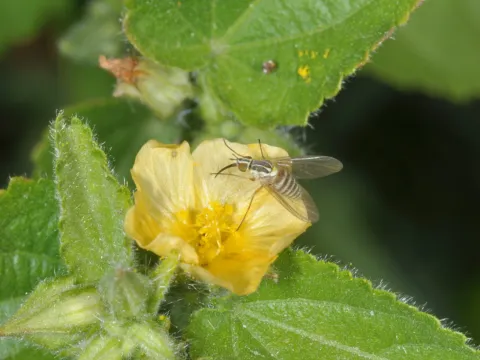
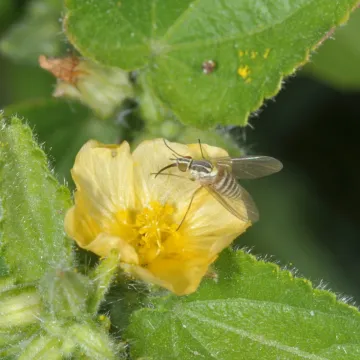
Botanically, the plant is characterized by erect, slender stems that can reach substantial heights under optimal conditions. The foliage is typically cordate, and the yellow flowers are arranged in axillary inflorescences typical of the Malvaceae family. The root system is robust, providing stability and resilience in varied soil types, though it performs best in well-draining conditions.
Agronomic management requires specific attention to soil fertility and moisture levels. While the plant is drought-tolerant once established, supplemental irrigation is critical during the seedling stage. Growers typically employ standard row-cropping techniques, focusing on balanced fertilization to encourage rapid stem development, which is the primary economic component of the plant.
The main industrial use of Pseudabutilon virgatum is the extraction of high-quality bast fibers, which are utilized in the manufacturing of durable textiles, ropes, and biodegradable packaging materials. Furthermore, the crop has shown potential in the biomass and pulp sectors, contributing to its status as a versatile technical plant for sustainable industrial applications.
- Strong bast fibers suitable for industrial textiles.
- High adaptability to various subtropical climate zones.
- Significant potential in biomass and fiber production.
- Resilient to typical pests when managed with crop rotation.
Photo gallery