Pseuderanthemum alatum
Pseuderanthemum alatum
Description
Pseuderanthemum alatum is an ornamental herbaceous perennial plant belonging to the Acanthaceae family. Known for its distinct botanical structure and foliage appeal, it is widely utilized in professional horticulture as a decorative interior plant, thriving in controlled environments that mimic its native tropical habitat.
The species originates from the tropical regions of Central and South America. In its natural habitat, it grows in shaded understory areas, which dictates its preference for filtered light and humid environments. Understanding this ecological background is essential for successfully cultivating the plant in domestic or commercial greenhouse conditions.
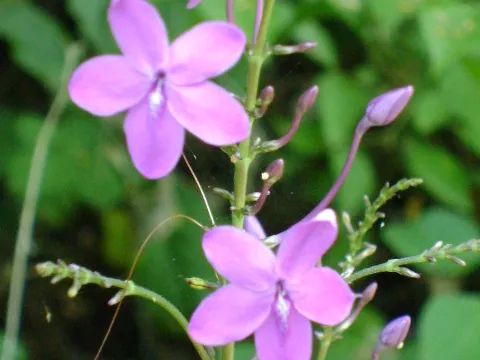
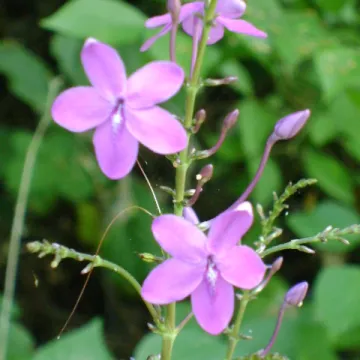
Botanically, the plant is characterized by its unique stems that feature wing-like extensions, connecting the petioles to the main stalk, which is reflected in the specific epithet alatum. The leaves are typically lanceolate with deep coloration, providing a strong visual contrast. The inflorescences are racemes of small, delicate flowers typical of the Acanthaceae family.
Agronomic requirements for Pseuderanthemum alatum include a well-draining, nutrient-rich potting medium, typically based on a peat or coconut coir base. The plant requires consistent moisture levels in the root zone and high atmospheric humidity to maintain growth vigor. Temperature management is crucial, as the plant does not tolerate cold drafts or temperatures below 18 degrees Celsius.
- Light: Bright, indirect light to partial shade.
- Watering: Keep soil moist, allow surface to dry slightly.
- Feeding: Use balanced liquid fertilizers during the growing season.
- Propagation: Easily propagated by stem cuttings in moist soil.
Common pests affecting this crop include spider mites, mealybugs, and scale insects, which often proliferate in low-humidity environments. Disease management focuses primarily on preventing fungal root rot caused by over-watering. Maintaining optimal airflow around the plants and avoiding waterlogging are the most effective cultural practices to ensure long-term health and productivity.
Photo gallery