Pseuderanthemum reticulatum
Pseuderanthemum reticulatum
Description
Pseuderanthemum reticulatum, commonly known as the yellow net plant, is an evergreen shrub that belongs to the Acanthaceae family. This ornamental species is highly prized for its vibrant foliage, which features a distinct network of golden-yellow veins against a dark green background, creating a striking visual contrast in any tropical garden or greenhouse.
The plant originates from the islands of the Pacific Ocean, where it thrives in warm, humid forest environments. Because of its tropical nature, it requires specific climate conditions to flourish, including stable temperatures and protection from cold drafts or freezing weather, which makes it unsuitable for outdoor cultivation in temperate regions without careful protection.
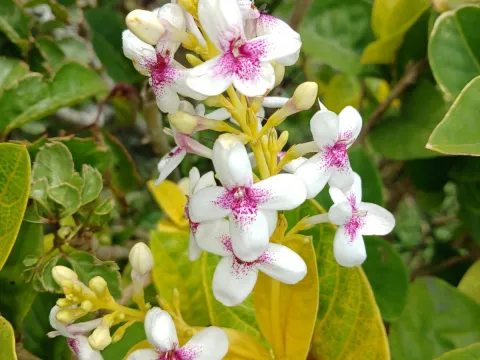
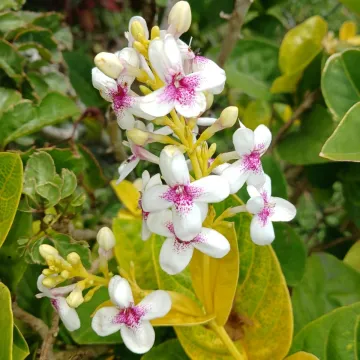
Botanically, the plant develops an upright branching habit, forming a dense shrub over time. The leaves are typically ovate or elliptical. The flowers are relatively small, white with purple or pinkish spots, arranged in terminal spikes. While the foliage is the primary attraction, the occasional blooms add a delicate texture to the overall aesthetic of the plant.
Agricultural and horticultural management involves providing high-quality, well-draining potting soil enriched with organic matter. The plant demands high humidity and consistent moisture; drying out the root system often leads to leaf drop. During the growing season, regular liquid fertilization is recommended to maintain the intensity of the leaf venation and overall vigor.
In terms of plant health, Pseuderanthemum reticulatum is susceptible to common greenhouse pests such as spider mites, aphids, and scale insects. These pests often appear when the plant is stressed by low humidity or poor ventilation. Implementing a preventive maintenance schedule, including regular leaf inspection and misting, is essential for maintaining a healthy and thriving specimen.
Photo gallery