Pseudognaphalium gaudichaudianum
Pseudognaphalium gaudichaudianum
Description
Pseudognaphalium gaudichaudianum is a herbaceous perennial plant belonging to the Asteraceae family. Often categorized alongside species related to cudweed, this plant is recognized for its adaptive nature and potential value in both ecological restoration and pharmacological research. It represents a specialized group of flora that thrives in distinct climatic zones, making it an interesting subject for botanical study.
The plant originates from South American regions, specifically within the temperate and mountainous areas of Brazil. In its natural range, it inhabits open, well-drained slopes and grasslands. For agricultural purposes, it requires a habitat that mimics these conditions: high solar radiation, moderate rainfall, and soils with good aeration to ensure healthy root development throughout its growing cycle.
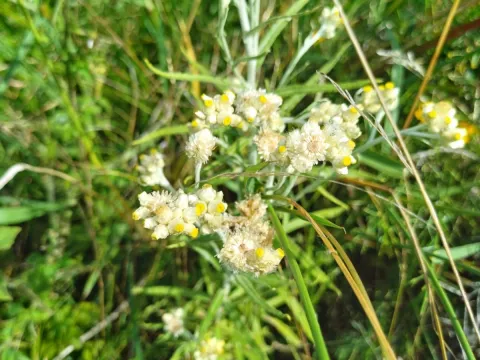
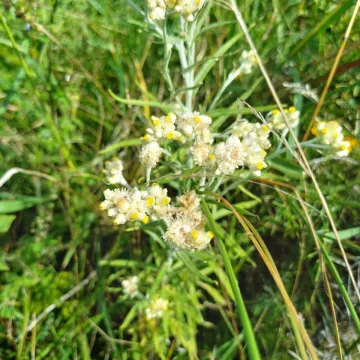
Botanically, the species is distinguished by its characteristic tomentose (hairy) leaves and stems, which provide an effective shield against moisture loss. The inflorescences consist of small, dense flower heads grouped in corymbs. This structural adaptation allows the plant to sustain itself under fluctuating environmental pressures while maximizing reproductive efficiency through seed dispersal.
The primary economic use of Pseudognaphalium gaudichaudianum revolves around the extraction of its phytochemical constituents. The plant is prized for its anti-inflammatory and antiseptic properties, often utilized in traditional and modern herbal medicine. It serves as a raw material for various cosmetic and health products, driving demand for systematic cultivation and sustainable harvesting practices.
Agricultural management guidelines for successful production include:
- Selection of well-drained, slightly acidic soil types.
- Optimal spacing to facilitate air circulation and minimize fungal risk.
- Manual or mechanical weed control during the establishment phase.
- Harvesting during full bloom to ensure the highest concentration of essential oils.
- Monitoring for common threats such as root rot and leaf-sucking insects in humid seasons.
Photo gallery