European false starwort
Pseudostellaria europaea
Description
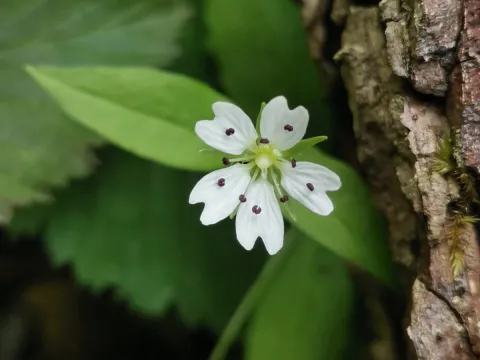
European false starwort (Latin Pseudostellaria europaea) is a perennial herbaceous plant belonging to the Caryophyllaceae family. As a specialized agricultural crop, it is valued for its unique phytochemical profile and its specific adaptation to shaded, moist environments found across various European temperate zones.
The origin and natural habitat of this species are primarily associated with forest understories, where it thrives under deciduous canopy cover. In agriculture, managing this crop requires mimicking these specific environmental conditions to ensure healthy root development and the accumulation of desired bioactive secondary metabolites within its tuberous roots.
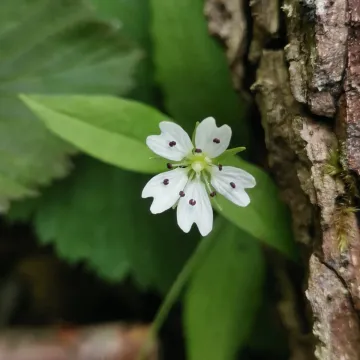
Botanically, the plant is characterized by its slender growth habit, opposite leaves, and delicate, star-like flowers that bloom during early to mid-spring. The underground structure, specifically its root tubers, is the most critical part of the plant, requiring a specific soil structure—ideally loose, humus-rich, and slightly acidic—to flourish.
Regarding agricultural management, the crop demands careful moisture regulation. It is highly sensitive to waterlogging, which can trigger fungal root infections. Farmers should ensure that the soil remains consistently moist but well-drained, and shading techniques should be employed in regions with intense sunlight to prevent thermal stress during the vegetative phase.
The practical use of the plant primarily lies within the pharmaceutical and botanical supplement sectors. Maintenance of the crop involves standard agronomic practices adapted to shade-loving perennials:
- Regular soil testing to maintain appropriate pH levels.
- Application of organic mulch to regulate soil temperature.
- Integrated pest management focused on preventing damp-off diseases and leaf spot pathogens.
Photo gallery