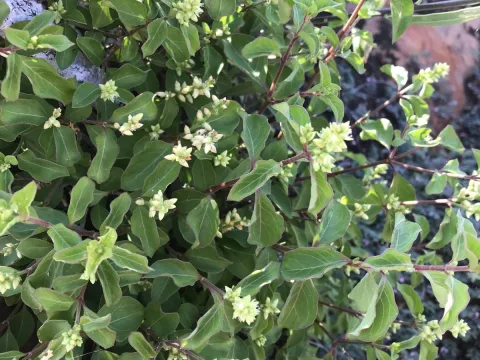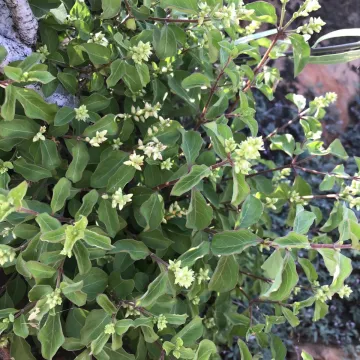
Psilotrichum scleranthum
Psilotrichum scleranthum
Description
Psilotrichum scleranthum is an herbaceous plant belonging to the Amaranthaceae family. While not a conventional staple crop in modern commercial farming, it holds significant interest in botanical studies and is recognized for its role in native ecosystems within the African continent, serving as a resilient vegetation cover.
The plant originates from the tropical and subtropical regions of East and Southern Africa. It is well-adapted to environments characterized by distinct wet and dry seasons, often thriving in savannahs and arid landscapes. Its geographical range allows it to flourish in soils that are generally unsuitable for moisture-demanding agricultural crops.
Botanically, Psilotrichum scleranthum displays typical traits of the Amaranthaceae family, including a compact growth habit, opposite leaf arrangement, and small floral structures. The plant is engineered by evolution to survive high light intensity and thermal stress, utilizing its physiological structures to optimize photosynthesis even during peak heat hours.
Regarding agrotechnical requirements, this species favors well-draining, sandy, or stony substrates. It does not require intensive fertilization, as it is efficient at extracting nutrients from poor soil profiles. For agricultural propagation, maintaining a low-moisture environment is essential, as waterlogging is the primary factor that limits its productivity and increases the risk of soil-borne pathogens.
- Exceptional drought resistance and water-use efficiency.
- Minimal requirement for specialized fertilizers or inputs.
- High tolerance to poor soil quality and low pH levels.
- Natural resilience against most regional pests and diseases.
In terms of хозяйственное usage, it is primarily categorized as a forage plant supporting livestock in semi-arid zones. Growers should monitor for common pests such as aphids or spider mites, which may occasionally infest the foliage. Effective management relies on proper spacing to allow for airflow, which reduces the incidence of fungal issues and ensures the crop remains healthy throughout the growing cycle.
Photo gallery