Psoralea corylifolia
Psoralea corylifolia L.
Description
Psoralea corylifolia L. is an annual herbaceous plant belonging to the Fabaceae family. Known internationally in traditional medicine as Bakuchi, this species is highly valued for its seeds, which are rich in bioactive compounds such as psoralen and isopsoralen. It serves as a vital component in both traditional herbal medicine and modern dermatological research.
The plant originates from India and other parts of Southeast Asia. Its natural habitat includes open plains and foothills. Currently, it is cultivated primarily in tropical and subtropical regions where the combination of high temperatures and significant daylight hours ensures optimal plant development and high concentrations of active metabolites within the seeds.
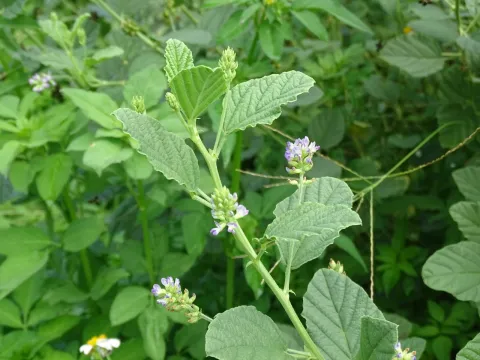
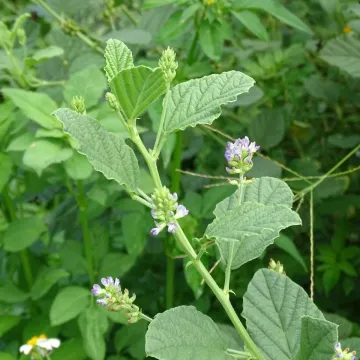
Botanically, the plant is characterized by a height of approximately 60–120 cm, featuring heart-shaped leaves with distinct black glands. The flowers are typically violet or blue and arranged in dense racemes. The fruit is a small, dark, indehiscent pod containing a single seed, which is the primary part harvested for commercial and medicinal purposes.
Successful cultivation of Psoralea requires well-drained, fertile soil, preferably sandy loam with a neutral to slightly alkaline pH. The crop thrives in full sun and requires consistent moisture during the initial growth stages. Once established, the plant shows moderate resilience to heat, though farmers must ensure adequate irrigation in arid climates to avoid stunted development.
The industrial use of Psoralea is primarily focused on the pharmaceutical and cosmetic industries. Derivatives are used to treat conditions like vitiligo and psoriasis due to their photodynamic properties. Furthermore, in the beauty sector, the plant is gaining attention as a natural, plant-based alternative to synthetic retinol, known for its anti-aging properties without the typical skin irritation.
- Requirement for weed control during the seedling stage.
- Susceptibility to root rot if soil drainage is poor.
- Potential for pest infestation, specifically by aphids during dry spells.
- Harvesting time is critical for maximizing chemical yield in seeds.
Photo gallery