Psychotria asiatica
Psychotria asiatica
Description
Psychotria asiatica is a perennial evergreen shrub belonging to the Rubiaceae family. Known for its lush foliage and distinct botanical structure, it serves as a prominent example of tropical biodiversity, adapting effectively to the humid microclimates of the rainforest understory.
Native to the regions of Southeast Asia and the Pacific Islands, this species thrives in environments characterized by high humidity and consistent tropical temperatures. While it holds ecological significance in its native range, its cultivation outside these zones is restricted to specialized greenhouse environments that mimic its natural habitat.
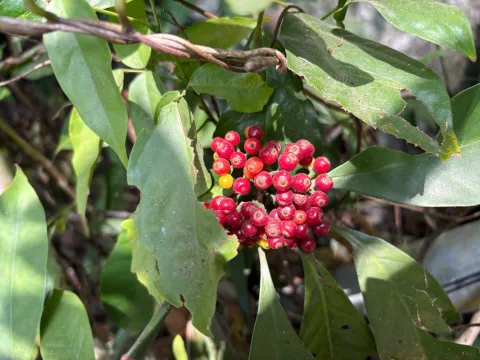
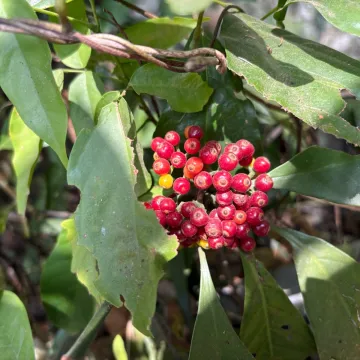
Botanically, the plant exhibits opposite, leathery leaves with prominent venation, reflecting its adaptation to low-light conditions. It produces small, clustered flowers followed by fleshy, red berries. The root system is primarily fibrous, requiring a substrate that balances moisture retention with essential aeration to prevent root suffocation.
Agricultural requirements for this species are centered on strictly controlled environmental variables. It necessitates a stable temperature range of 20–28°C and significant ambient humidity. The soil must be well-draining, nutrient-rich, and slightly acidic. Proper management includes protection from direct sunlight and consistent, light irrigation to maintain moisture without inducing waterlogging.
The primary use of Psychotria asiatica remains within ornamental horticulture and botanical research. Growers must be vigilant regarding potential phytosanitary issues, which include:
- Spider mite infestations during dry air periods.
- Fungal pathogens such as leaf spots caused by poor ventilation.
- Nutrient deficiencies manifesting as chlorosis in younger leaves.
Photo gallery