Pteridophyllum racemosum
Pteridophyllum racemosum
Description
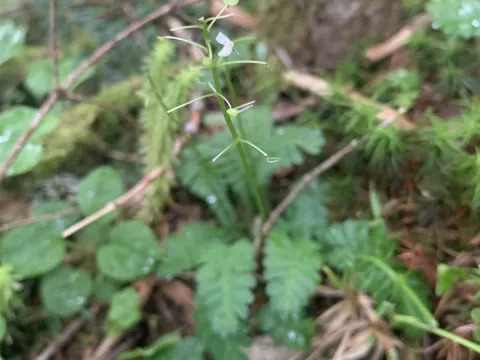
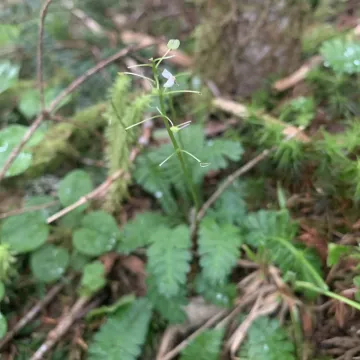
Pteridophyllum racemosum is an unique herbaceous perennial belonging to the Papaveraceae family. Although it is a member of the poppy family, it is renowned for its foliage that strongly resembles the fronds of a fern, arranged in an elegant basal rosette. This aesthetic makes it highly sought after by collectors of woodland and shade-loving plants.
The plant originates from Japan, specifically found in the cool, moist mountainous forests of Honshu. Due to its natural habitat, it thrives in environments that mimic these conditions—specifically cool, shaded, and consistently moist areas. Its introduction into gardens outside its native range is strictly limited to regions with a cool temperate climate.
Botanically, Pteridophyllum racemosum is characterized by its delicate, nodding racemes of small white flowers that emerge on thin, upright stalks. Reaching heights of about 20–30 cm, the contrast between the deeply divided, fern-like green leaves and the dainty, crystalline flowers provides a high level of seasonal visual interest.
Successful cultivation requires attention to soil composition and moisture control. The substrate must be loose, humus-rich, and well-draining, yet moisture-retentive. The plant does not tolerate direct afternoon sun or drying out of the root system. Ideal planting locations include north-facing beds or areas protected by the canopy of larger shrubs or trees.
In terms of usage, it serves as a sophisticated element in shade gardens, Japanese-style gardens, or specialized rockeries. Maintenance is relatively simple if the environmental conditions are met. Gardeners should monitor for common garden pests, particularly slugs and snails, which find the tender foliage attractive, and ensure proper airflow to prevent root rot during prolonged wet periods.
Photo gallery