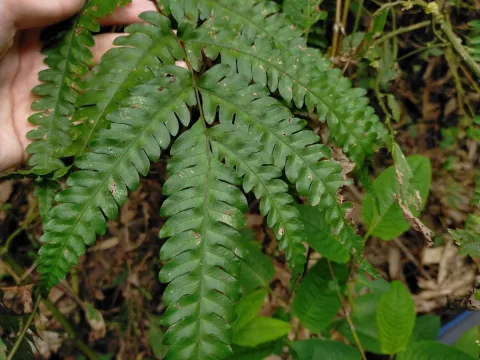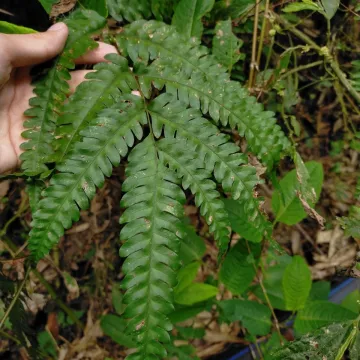

Pteris amoena
Pteris amoena
Description
Pteris amoena is a perennial fern species belonging to the Pteridaceae family. In commercial horticulture, this plant is categorized as a decorative foliage crop, highly valued for its elegant, deeply divided fronds and its ability to thrive in controlled indoor environments.
Originating from the tropical and subtropical regions of East Asia, the plant naturally inhabits shaded, humid forest floors. In an agricultural context, Pteris amoena is grown primarily in specialized nurseries and commercial greenhouses where specific environmental parameters can be strictly regulated for optimal development.
The botanical structure is defined by its compact rhizome and delicate, bipinnate fronds that form a lush rosette. Unlike traditional field crops, its growth cycle is continuous, provided that the light, temperature, and moisture levels remain consistent. This species is particularly noted for its structural uniformity, making it a reliable choice for commercial production.
Agronomic management requires a well-draining, slightly acidic soil medium, typically composed of peat moss and perlite or coarse sand. It is essential to maintain high humidity levels and avoid direct sunlight, which can quickly dehydrate the sensitive leaf tissues. Precise irrigation is necessary to prevent both drought stress and waterlogging.
- Consistent air humidity above 60%.
- Application of balanced, low-concentration liquid fertilizers.
- Regular inspection for pest infestations.
- Proper drainage to ensure aeration of the root system.
The economic value of this crop lies in its application within the interior landscaping and florist industries. It serves as a staple component in high-quality ornamental plant sales due to its tolerance for lower light conditions compared to other decorative varieties, making it an excellent candidate for urban greenery projects.
Common phytosanitary issues include root rot, often caused by overwatering, and fungal leaf spot pathogens. Pests such as mealybugs and spider mites are typical concerns. Producers manage these through strict sanitation protocols, proper greenhouse ventilation, and the use of targeted systemic insecticides when necessary.
Photo gallery