Pteris macilenta
Pteris macilenta
Description
Pteris macilenta is a perennial herbaceous fern belonging to the Pteridaceae family. While not traditionally classified as a major agricultural commodity, it is widely recognized as a significant ornamental plant in the nursery and greenhouse trade, prized for its delicate foliage and adaptability to indoor environments.
The species is native to New Zealand, where it typically thrives in the understory of temperate and subtropical forests. Its natural habitat is characterized by high humidity, sheltered locations with dappled light, and rich, organic soils, which form the basis for its successful cultivation in both domestic and professional settings.
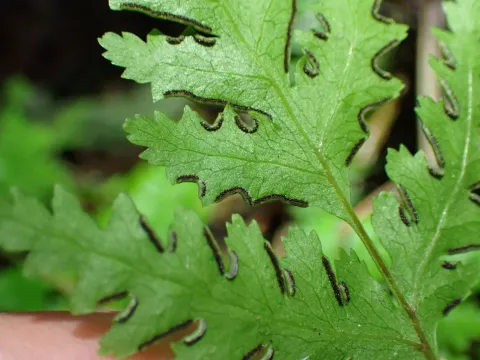
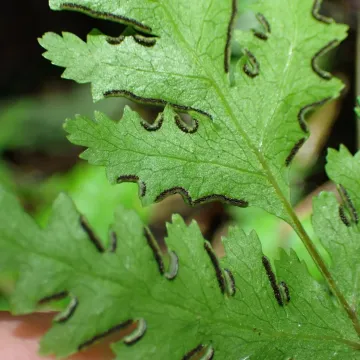
Botanically, Pteris macilenta is characterized by its pinnate fronds, which possess a graceful, feathery appearance and a light green hue. The plant utilizes a creeping rhizome to expand, which necessitates the use of wide, shallow containers in a horticultural context. The fronds are relatively thin, making them susceptible to physical damage if handled improperly.
Cultivation requirements for this fern include a consistent supply of moisture and a well-aerated, slightly acidic growing medium. It is essential to ensure that the substrate remains damp but not waterlogged, as poor drainage is a primary cause of root rot. Optimal growth is achieved in environments with indirect lighting and protection from cold drafts.
Typical pests affecting this species include spider mites, scale insects, and mealybugs, which often proliferate in low-humidity conditions. Fungal issues may arise if moisture levels are poorly managed, leading to leaf spotting. In practice, Pteris macilenta is primarily utilized for interior decor, commercial floral arrangements, and as a component in terrariums and conservatory displays.
Photo gallery