Spider brake
Pteris multifida
Description
Spider brake (Pteris multifida) is a perennial herbaceous plant belonging to the Pteridaceae family. Within the ornamental horticultural sector, this species is cultivated as a valuable indoor and greenhouse plant, prized for its unique foliage and adaptability to indoor environments.
The plant originates from East Asia, specifically regions spanning from China and Japan to Korea. In its natural habitat, it thrives in shaded, humid environments such as forest floors and rocky outcrops. This historical adaptation dictates its specific requirements for cultivation in controlled environments where light and moisture levels are tightly regulated.
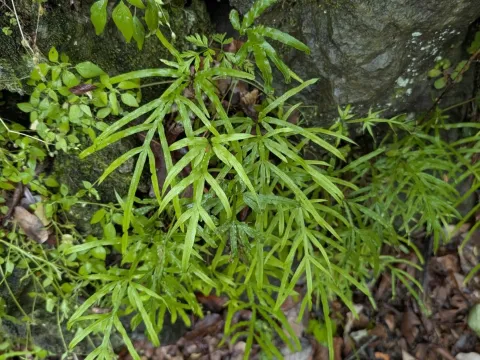
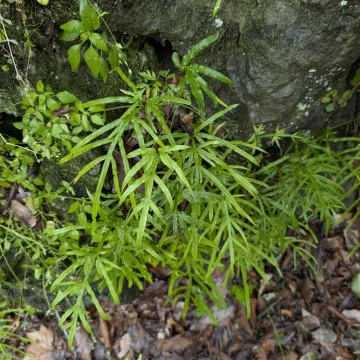
Botanically, this fern is characterized by its thin, pinnate fronds composed of numerous narrow, segmented leaflets. It typically grows from a creeping rhizome and maintains a compact, aesthetic form. The reproductive cycle involves the production of spores located along the margins of the fertile fronds, protected by a specialized flap called an indusium.
Successful cultivation requires a loose, well-draining, and slightly acidic substrate rich in organic matter. Agronomic practices emphasize the necessity of high ambient humidity and moderate temperatures. Growers must avoid direct sunlight, as the species is prone to leaf scorch, and ensure consistent soil moisture without waterlogging the root system.
The commercial utility of Pteris multifida lies primarily in interior landscaping and decorative plant production. Common phytosanitary issues include infestations by spider mites and scale insects, often exacerbated by low air humidity. Management strategies involve integrated pest control measures and maintaining optimal greenhouse conditions to promote vigorous plant growth.
Photo gallery