Japanese brake
Pteris nipponica
Description
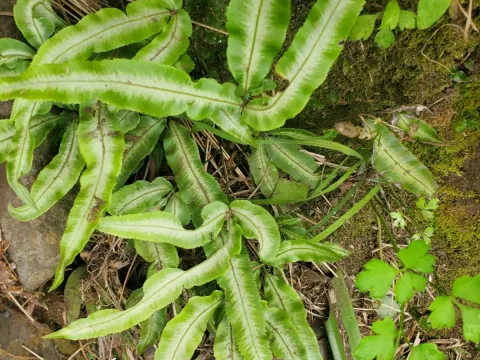
The Japanese brake (Pteris nipponica) is a distinctive perennial fern species belonging to the Pteridaceae family. Widely recognized for its striking variegation and elegant foliage, this plant is primarily cultivated as an ornamental crop in indoor garden settings, conservatories, and specialized agricultural nurseries focusing on decorative plants.
Originating from East Asia, particularly the Japanese archipelago, this species is naturally adapted to moist, shaded environments. Its historical development as a cultivated plant stems from its aesthetic value, leading to its distribution globally for the interior plant market, where it is valued for its hardiness compared to other, more delicate fern varieties.
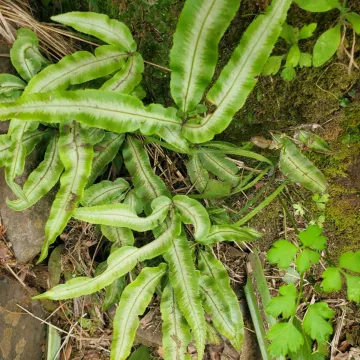
Botanically, Pteris nipponica is defined by its pinnate fronds which exhibit a consistent silver-white band running through the center of each segment. The plant typically forms a rhizomatous crown, which supports the growth of dense foliage. It does not produce flowers but reproduces via spores, although commercial production often relies on vegetative division of the root system.
Agronomically, this fern requires a highly specific environment to thrive. The substrate must be porous, slightly acidic, and rich in organic matter. Temperature management is crucial; the plant performs best in steady temperatures ranging between 18°C and 24°C. Excessive heat or direct sunlight causes rapid desiccation of the fronds, which are susceptible to leaf burn.
- Moisture: Needs high humidity and consistently damp soil.
- Light: Thrives in indirect, filtered light conditions.
- Fertilization: Use diluted balanced liquid fertilizers during the growing season.
- Substrate: Requires a loose, peat-based soil mix with good drainage.
- Pruning: Remove dead or damaged fronds to promote new growth.
The primary horticultural pests affecting this crop include spider mites, mealybugs, and scale insects, which often proliferate in low-humidity environments. To maintain plant health, it is essential to implement strict quarantine for new additions and use systemic insecticides when infestation is detected. Proper circulation and moisture control remain the most effective preventive measures against fungal pathogens like root rot.
Photo gallery