Pterocarpus lucens
Pterocarpus lucens
Description
Pterocarpus lucens is a notable species within the Fabaceae family, widely recognized for its ecological and agricultural significance in tropical environments. As a hardy tree or large shrub, it thrives in challenging climatic conditions, serving as a critical component of savanna ecosystems and agroforestry systems in Africa.
The native range of this species extends across the semi-arid regions of tropical Africa. It is adapted to climates characterized by distinct dry and wet seasons, demonstrating remarkable resilience to prolonged water stress. These physiological adaptations allow it to survive in regions where other agricultural crops struggle, making it an essential species for soil restoration.
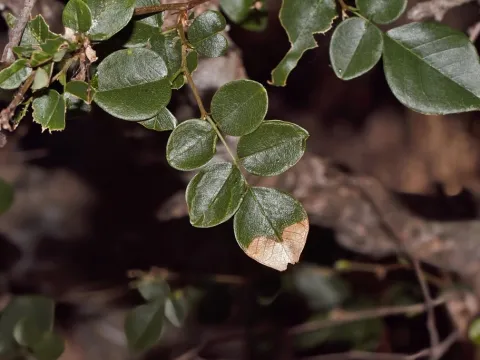
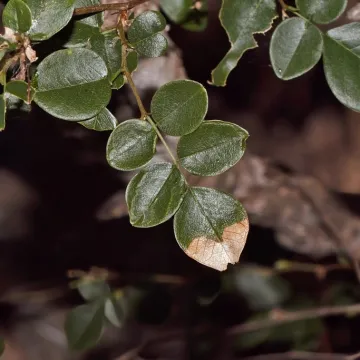
Botanically, Pterocarpus lucens is distinguished by its glossy, pinnate foliage and characteristic winged fruit pods. The flowers are typically arranged in racemes, providing nectar for pollinators. Its root system is deep and efficient at tapping into subsurface water, contributing to its status as a highly drought-tolerant perennial species.
Agronomic management of this culture is straightforward, primarily requiring well-drained soil and adequate exposure to sunlight. While established trees are highly resistant to drought, young seedlings require careful water management to prevent root rot in poorly aerated soils. Propagation is generally successful through seeds, often requiring scarification to break dormancy and ensure uniform germination.
The economic utility of Pterocarpus lucens is largely focused on its value as a high-protein fodder source for livestock, particularly during the dry season when other forage is scarce. Furthermore, the tree is highly valued for its timber, which is robust and aesthetically pleasing. Beyond direct production, its ability to fix nitrogen in the soil makes it a valuable asset for soil fertility improvement.
Pest and disease management involves regular monitoring to prevent outbreaks. Common challenges include:
- Leaf-eating insects that may affect foliage quality.
- Fungal infections stemming from poor soil drainage.
- Need for pruning to maintain structure and airflow in dense stands.
Photo gallery