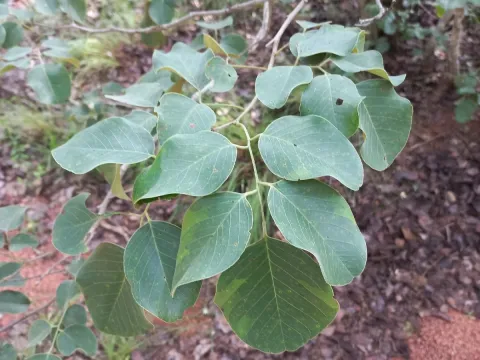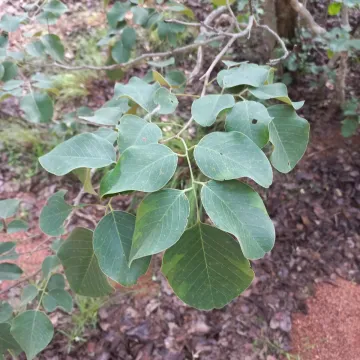
Round-leaved bloodwood
Pterocarpus rotundifolius
Description
The Round-leaved bloodwood (Pterocarpus rotundifolius) is a deciduous tree belonging to the Fabaceae (legume) family. It is a highly valued species in tropical forestry, recognized for its sturdy wood and its role in nitrogen fixation within nutrient-poor soils. This species is native to the savanna biomes of Southern and Eastern Africa.
Geographically, the species occurs across a wide range of habitats, including open woodlands and rocky hillsides in countries such as South Africa, Zimbabwe, and Mozambique. It is perfectly adapted to climates with distinct dry seasons, demonstrating remarkable resilience to prolonged water shortages and intense heat.
Botanically, the tree is distinguished by its rounded leaflets and conspicuous, fragrant yellow flowers that appear in clusters. These flowers provide a significant nectar source for local bee populations. The fruit is a flat, one-seeded pod (samara) equipped with a papery wing, which facilitates dispersal by wind, allowing the species to spread rapidly across open landscapes.
For cultivation, the species requires well-drained, sandy or loamy soils. It thrives in full sun and is notably sensitive to excessive root moisture, which can lead to decay. When planting, providing adequate spacing is crucial to ensure optimal growth of the crown and to prevent the spread of localized pathogens, ensuring the health of the individual trees.
In economic terms, the tree is prized for its hard, durable timber, which is often used in high-quality furniture making, wood carving, and construction. Beyond its commercial timber value, the Round-leaved bloodwood serves as an essential component in agroforestry systems, where it acts as a windbreak and contributes to soil health through leaf litter decomposition.
- Exceptional drought resistance and resilience.
- Nitrogen-fixing capabilities for improved soil health.
- High-density timber used for durable furniture.
- Attracts pollinators and supports local biodiversity.
Pests such as defoliating caterpillars and wood-boring beetles can affect growth if the tree is stressed by environment or age. Fungal infections, particularly leaf spot diseases, can occur during exceptionally wet periods. Good management practices, including proper tree spacing and removal of debris, significantly reduce the incidence of these biological threats.
Photo gallery