Red sandalwood
Pterocarpus santalinus
Description
Red sandalwood (Pterocarpus santalinus) is a high-value tree species belonging to the Fabaceae family. It is globally recognized for its deep red, dense wood, which is prized for its durability, unique aesthetic grain, and natural pigment content, making it one of the most sought-after hardwoods in the world.
The species originates from the southern tropical regions of India, specifically thriving in the rocky, hilly tracts of the Eastern Ghats. It has evolved to grow in climates characterized by distinct wet and dry seasons. Due to its status as a rare and endangered species, commercial cultivation in plantations is becoming essential for sustainable supply chain management.
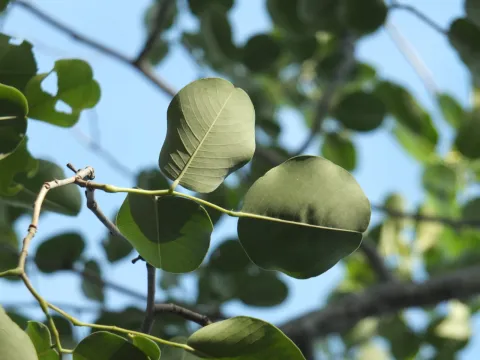
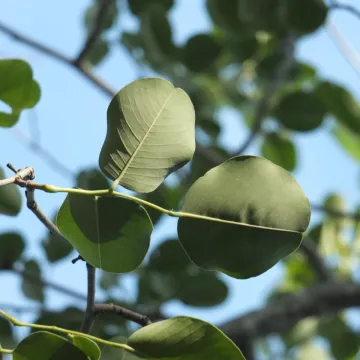
Botanically, this is a medium-sized deciduous tree that can reach heights of up to 15 meters. It features imparipinnate leaves and small, yellow-colored bisexual flowers. The fruit is a characteristic legume pod containing one to two seeds. Its slow growth rate is a defining biological feature, meaning that harvest cycles often span several decades.
Agricultural requirements focus on well-drained, slightly acidic to neutral soils. The tree is highly photophilous, meaning it requires full exposure to sunlight for optimal development. Proper agricultural management involves initial nursery care, where seedlings are protected from direct competition, followed by field planting with adequate spacing to encourage deep root formation.
The utility of this plant is multifaceted, spanning several industries:
- High-end furniture manufacturing and carving.
- Extraction of natural dyes for textiles and food products.
- Traditional medicinal applications, particularly in Ayurveda and folk medicine.
- Creation of incense and essential oils for the cosmetics industry.
Common agricultural challenges include susceptibility to powdery mildew and fungal infections, particularly in nursery stages. Pests such as wood-boring beetles can significantly impact timber quality if left unmanaged. Integrated pest management, focusing on early detection and soil health, is vital to maintaining the integrity of the plantation.
Photo gallery